In conversation with Peter Doherty: Nobel laureate in Medicine
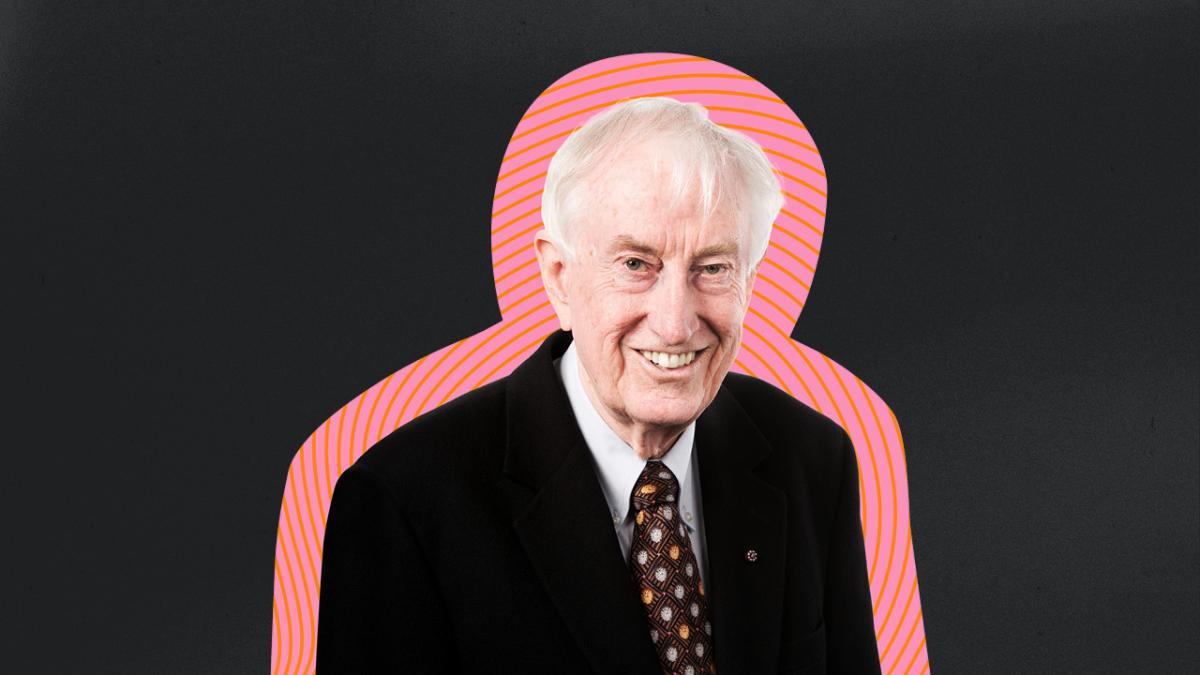
2026 David Cooper Lecture | Celebrating 40 years of the Kirby Institute
Peter Doherty | Natasha Mitchell (Host)
Peter Doherty was made famous worldwide when he won the 1996 Nobel Prize in Medicine with Swiss colleague Rolf Zinkernagel, for their discovery on the way the body recognises and rejects foreign molecules through killer T cells. This revelation has led to ongoing improvements in treating cancer and organ transplants. Peter is also recognised and respected for his ongoing efforts to share his love of science and impart his insatiable curiosity for learning with the world.
This year the David Cooper Lecture will celebrate the 40th anniversary of the Kirby Institute by hosting Australian immunologist and Nobel laureate Peter Doherty in conversation with journalist and presenter, Natasha Mitchell. Together, they’ll discuss the most challenging medical issues of our times, Peter’s fascinating career and inspirations and how any citizen scientist can follow in the footsteps of this renowned laureate professor with an evidence-based worldview.
The David Cooper Lecture is co-presented by the UNSW Centre for Ideas, the Kirby Institute and UNSW Medicine & Health.
ABOUT DAVID COOPER
Scientia Professor David Cooper AC was an internationally-renowned immunologist, clinician researcher, and the inaugural director of the Kirby Institute at its foundation in 1986, and remained in the role until he passed away on Sunday 18 March 2018 after a short illness. He initiated ground-breaking, collaborative infectious disease research that has saved countless lives in Australia, and throughout the world. He was among the first responders when the HIV epidemic reached Australia in the early 1980s, and established Australia’s ongoing global leadership in the fight against the global HIV epidemic.
Professor Cooper received many professional accolades. He was made an Officer in the General Division of the Order of Australia (AO) in 2003, and posthumously appointed Companion of the Order of Australia (AC) in 2018. David Cooper was a dedicated and compassionate doctor to many HIV patients, and those with other immunological conditions, throughout his lifetime, and is remembered as a great friend and mentor to all who were fortunate to know him.
For more information, visit the Kirby Institute website.
LIVE EVENT & VENUE INFORMATION
Sir John Clancy Auditorium (C24) is located at UNSW Sydney's Kensington campus. Please note this is a live event only, and will not be available via livestream.
TICKETS
ACCESS
Wheelchair Access
The closest accessible drop off point to the Sir John Clancy Auditorium is via Gate 9, High Street. More information on getting there can be found via our interactive accessibility map available here.
Assisted Listening
The Sir John Clancy Auditorium has a hearing loop, which will link to patrons hearing aids directly. Where possible please take a seat close to the front, and see staff for assistance as required.
Captioning
Live captioning on personal devices will be available at this event.
Auslan
Auslan interpreting services can be provided for selected talks upon request.
Contact
To book and discuss access services, please call the Centre for Ideas on 02 9065 0485 or email centreforideas@unsw.edu.au.
PUBLIC TRANSPORT AND PARKING
The Sir John Clancy Auditorium is easily accessible via public transport. The closest light rail stop is the UNSW High Street (L2 line) and the closest bus stop is UNSW Gate 8, High Street (348, 370, 390X). For more information please call the Transport Infoline on 131 500 or visit transportnsw.info.
Free parking is available in the Botany St Car Park (Gate 11) after 5.30pm. Event patrons should park in the UNSW Permit Holder bays, which are available on all levels. The car park is located here.
Paid casual and visitor parking is available in other UNSW car parks via the CellOPark app or pay-by-plate meters. For more information, visit the UNSW parking website.
PROGRESS FOR ALL
Healthspans – the concept of how long we live healthy lives – vary significantly across Australia and globally. This is primarily due to socioeconomic disparities, location and inequitable access to essential resources like education, nutritious food and healthcare, including the latest advancements in medicine.
Drawing on our history in research, such as our work to eliminate cervical cancer, and education, such as training a significant proportion of NSW’s doctors, over the next decade UNSW will make significant contributions to enabling healthy lives for people in communities in Australia and around the world.
Our aspiration will be to deliver substantial improvements in human healthspans and longevity. UNSW will continue to employ the breadth of our deep discipline-specific knowledge and interdisciplinary education, research and engagement. This will encompass every faculty of the University from biomedical engineering to the built environment, law and justice, and more.
Through collaboration with expert partners, we will help to develop a workforce that delivers better health and wellbeing outcomes for our communities, locally and globally.
You can read more about our objectives in our UNSW Strategy: Progress for All.

CONTACT
For all enquiries, please email centreforideas@unsw.edu.au or call the Centre for Ideas on 02 9065 0485.
The Centre for Ideas is happy to receive phone calls via the National Relay Service. TTY users, phone 133 677, then ask for 02 9065 0485. Speak and Listen users, phone 1300 555 727 then ask for 02 9065 0485. For more information on all other relay calls visit here.
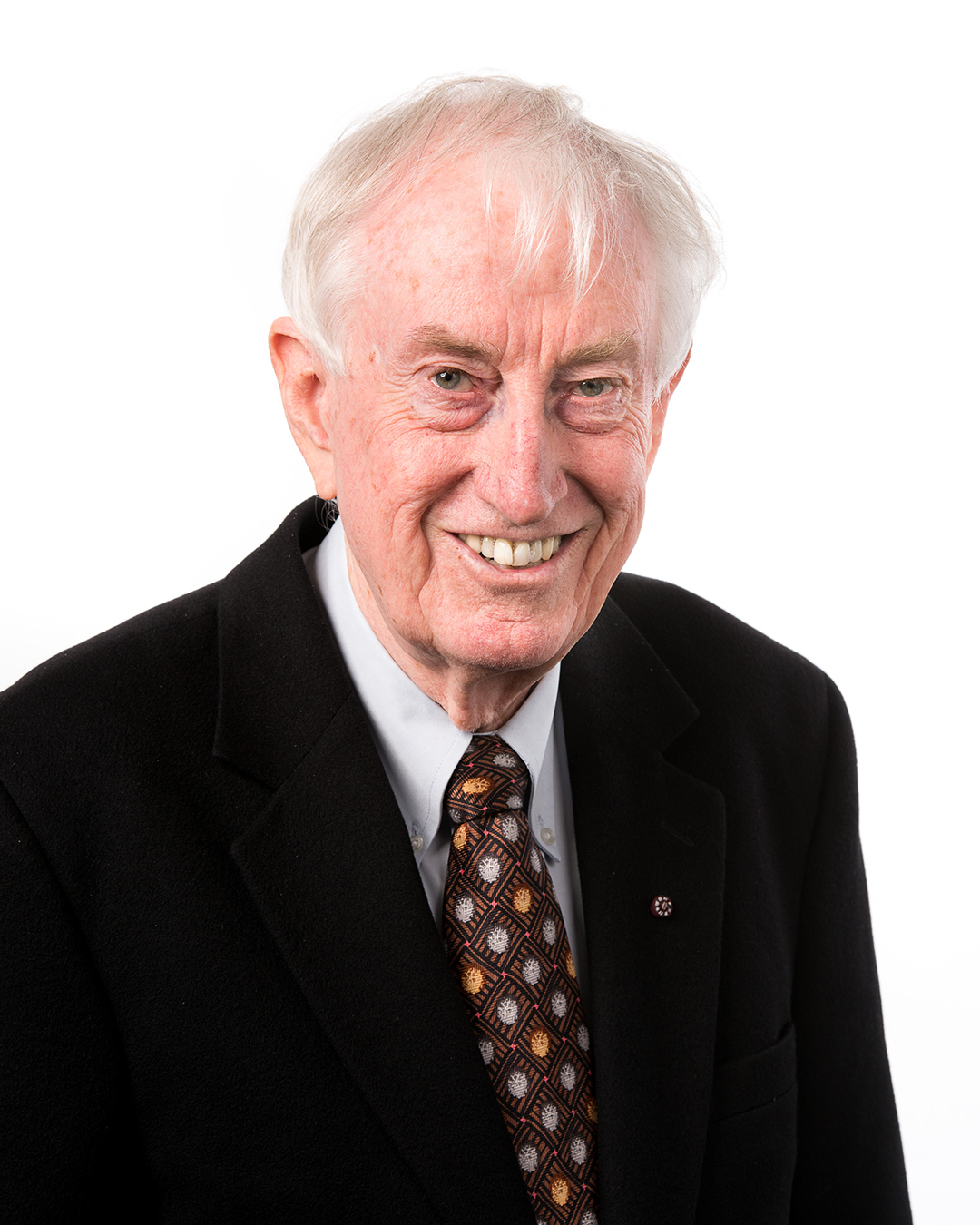
Peter Doherty
Immunologist, Pathologist, Nobel laureatePeter Doherty is an Australian immunologist and pathologist who received the Nobel Prize for Physiology or Medicine with Rolf Zinkernagel in 1996 for illuminating the nature of immune surveillance and the biological role of the transplant system. The Nobel award, along with being the Australian of the Year in 1997, led to an increasing involvement in public science communication, both in his own area of viral pathogenesis and immunity and in topics related to environmental sustainability and climate change. After working on infection and immunity for 60 years, he moved to emeritus status at the University of Melbourne in July 2023.
Peter is the author of many books, including The Beginner’s Guide to Winning the Nobel Prize: A Life in Science (2005), Sentinel Chickens: What Birds Tell Us About Our Health and the World (2012), Pandemics: what everyone needs to know (2013), The Knowledge Wars (2015), The Incidental Tourist (2018), An Insider’s Plague Year (2021) and most recently Empire, War, Tennis and Me (2022).
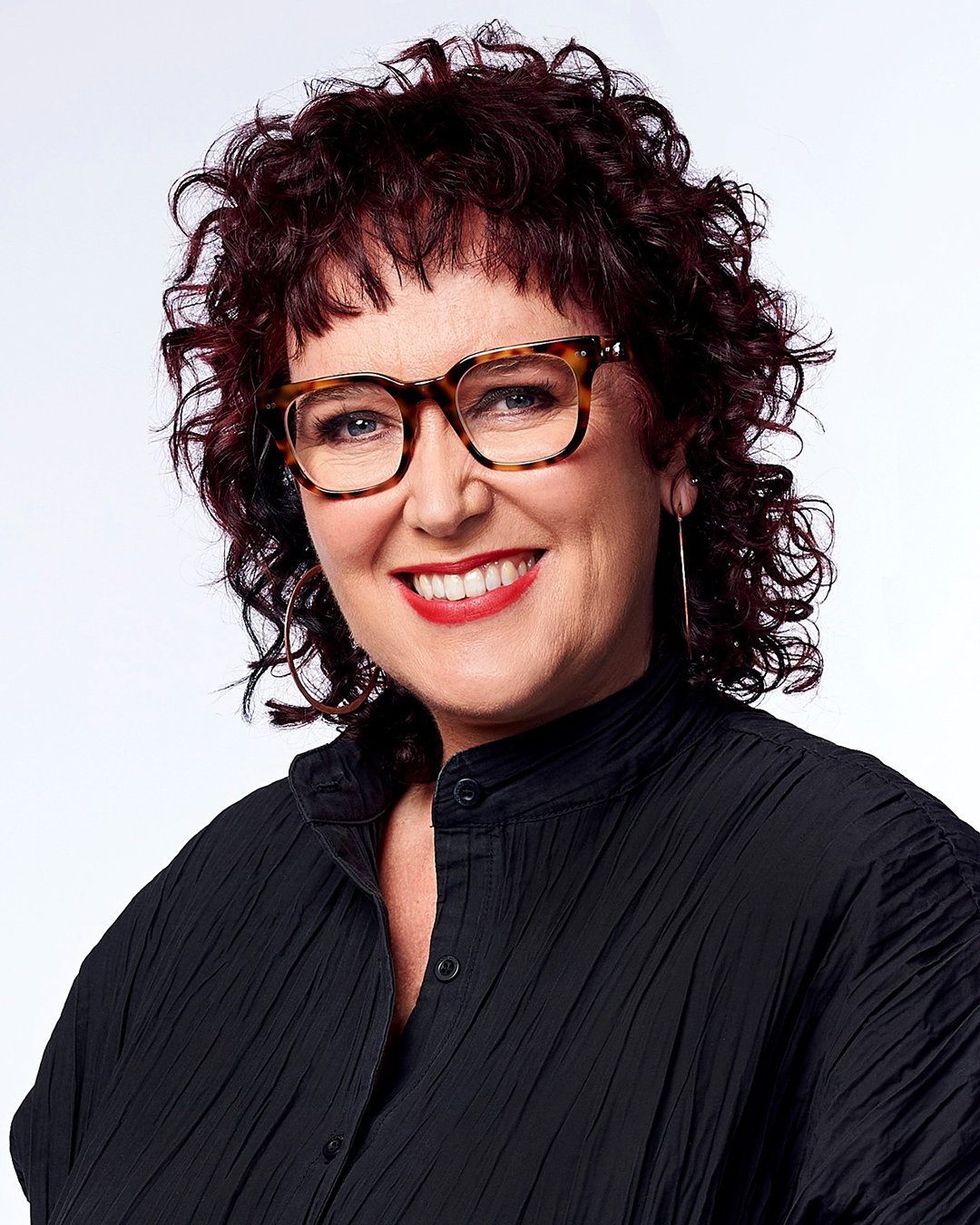
Natasha Mitchell
Journalist, radio presenter, podcaster, documentary makerNatasha Mitchell is a multi-award-winning journalist, radio presenter, podcaster, and documentary maker. She is host of ABC Radio National's flagship live events program and podcast BIG IDEAS, and is the originator of some of the ABC's most trailblazing and innovative programs – including the blockbuster radio show and one of Australia's first podcasts, All in the Mind, which she hosted and produced for a decade, and Science Friction, for which she was awarded Best Science and Medicine podcast at the Australian Podcast Awards. She was presenter of ABC's long-running daily social affairs program Life Matters.
Natasha served as vice president of the World Federation of Science Journalists, was a founding committee member of the Science Journalists' Association of Australia, and co-editor of Best Australian Science Writing. Natasha has an engineering degree with first-class honours from Monash University and a postgraduate diploma in science communication from ANU.