AI: Breakthrough or Breaking Point?
AI is ‘the’ conundrum of our times. Evangelists hail it as the greatest development that humanity has ever known. Critics warn it is a destructive force that will end it all. As important to scientific discovery as the microscope, and yet it sometimes takes the brilliance of our brightest thinkers without their consent.
It could be the saviour of our planet that pulls us back from the brink of climate catastrophe, even as a single AI data centre consumes the power and water of an entire city just to operate. But there is also beauty, imagination, opportunity and a whole new world of creativity that it opens up. When there are bigger forces at play deciding the fate of AI and humanity, what agency impact can a single person possibly have over what happens next?
How do we ensure that AI is a force for good - not evil?
Join an evening of provocation, wonder and discovery hosted by UNSW’s Centre for Ideas and the Museum of Contemporary Art Australia (MCA). Listen to short talks which will bend your mind, interact with art and music in ways that will touch your soul and witness incredible hologram technology making its Australian public debut.
Take your seat – at the most important debate of our lifetime...
This event is co-presented by the UNSW Centre for Ideas and the Museum of Contemporary Art Australia.
LIVE EVENT & VENUE INFORMATION
The MCA is located at 140 George St, The Rocks. Please note this is a live event only, and will not be available via livestream.
TICKETS
Tickets include entry into all exhibitions on display.
This event is 18+.
Adult | $45
MCA Member | $35
Concession | $42
Student | $38
*booking fees apply
ACCESS
Wheelchair Access
You can access the MCA via the George Street entrance, The Rocks, or through lift access via Circular Quay West. All public areas of the museum are accessible via lifts.
Assisted Listening
There are hearing loops available in the Veolia Lecture Theatre, Seminar Room, throughout the National Centre for Creative Learning and the Level 6 rooftop venues.
For further information on accessibility at the MCA, please click here.
PUBLIC TRANSPORT & PARKING
The MCA is a six-minute walk from Circular Quay, where public buses, trains, ferries and light rail services run regularly. For more information on transport visit transportnsw.info.
Parking is available a short distance from the Museum at Wilson Parking, 155 George Street, The Rocks. Enter via George Street where the Cahill Expressway crosses over George Street. More parking can be found at Wilson Parking Grosvenor Place, 225 George Street, The Rocks.
Free street parking is available on Argyle and Harrington Streets. This is subject to availability on the day.
CONTACT
For all event related enquiries, please email centreforideas@unsw.edu.au or call the Centre for Ideas on 02 9065 0485.
The Centre for Ideas is happy to receive phone calls via the National Relay Service. TTY users, phone 133 677, then ask for 02 9065 0485. Speak and Listen users, phone 1300 555 727 then ask for 02 9065 0485. For more information on all other relay calls visit here.
For all venue related enquiries, please email reception@mca.com.au or call the MCA on 02 9245 2400.
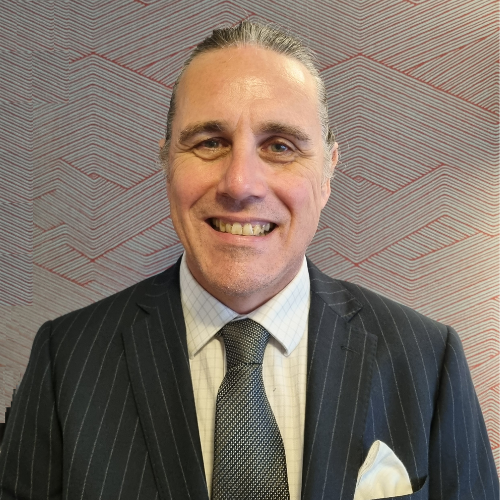
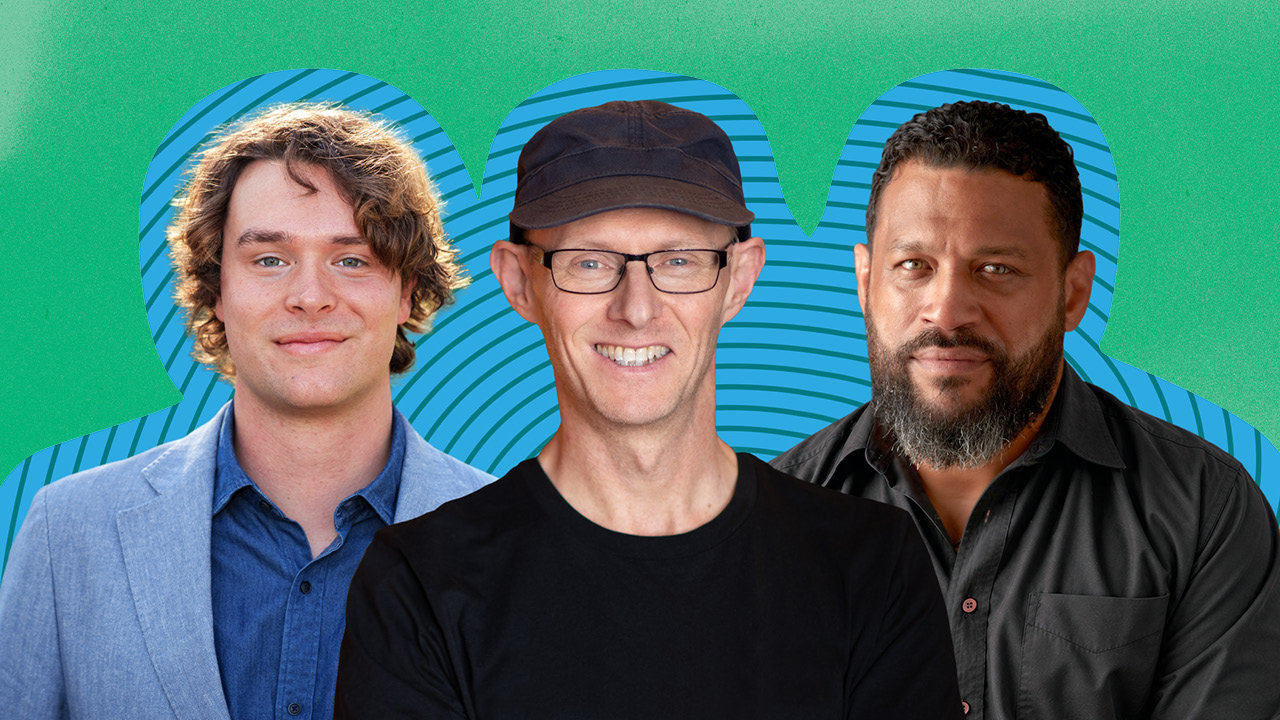
Karaitiana Taiuru
Dr Karaitiana Taiuru is a Māori AI, data, and emerging-technology ethicist at the forefront of Māori data sovereignty and AI ethics. As a leading global voice, he delivers practical guidance for boards, agencies, and industry leaders about how emerging technologies must uplift, protect and empower Indigenous knowledge, culture and communities.
Karaitiana asserts protecting Māori knowledge as a living treasure is one of the most exciting, urgent challenges of our tech future. His practise draws on tikanga Māori and mātauranga Māori, to deliver practical guidance for boards, agencies, and industry leaders on AI governance, Māori Data Sovereignty, IP, and preventing bias and discrimination across the AI lifecycle.
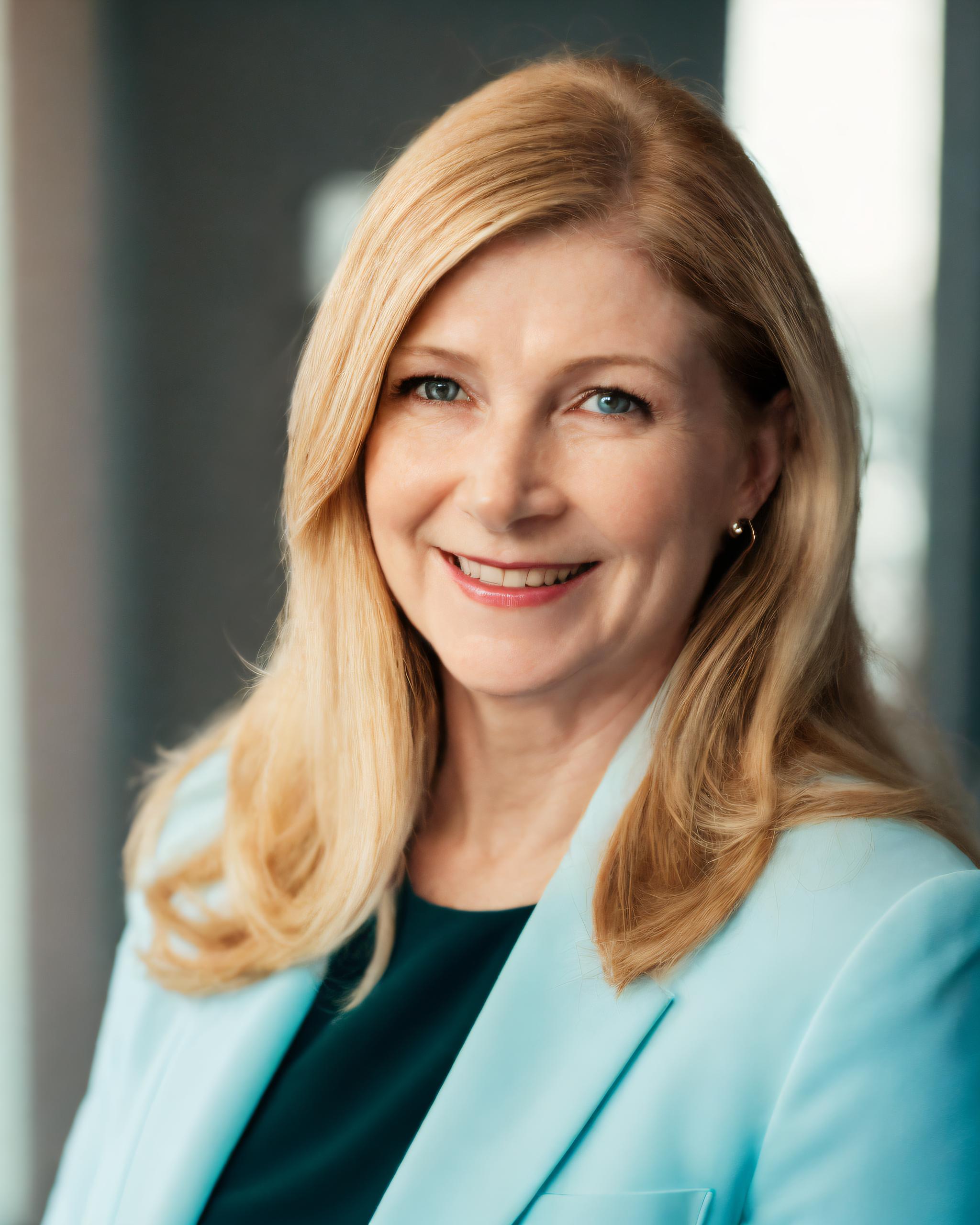
Sue Keay
Sue Keay is the Director of the UNSW AI Institute and founder of Robotics Australia Group, the peak body for the robotics industry. As an expert in robotics, AI and automation, she led the development of Australia’s robotics roadmap leading to Australia’s first National Robotics Strategy. A strong advocate for the Australian AI ecosystem, Sue is a fellow of the Australian Academy of Technology and Engineering (ATSE), a Chaikin medallist, a member of the Kingston AI Group and Chief Executive Women, and is on the board of computer vision start-up, Visionary Machines. Sue has an MBA from UQ Business School, PhD in Earth Sciences from ANU and is a Graduate of the Australian Institute for Company Directors.
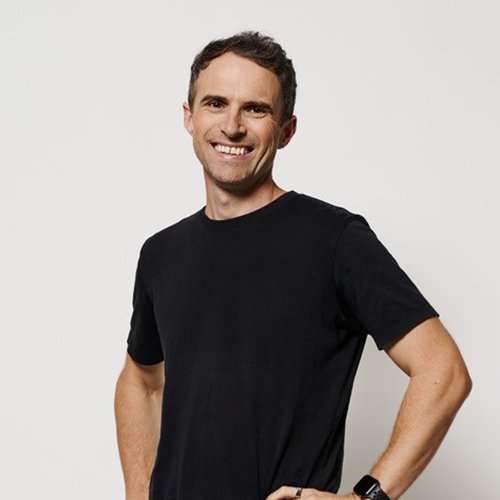
Joel Pearson
Joel Pearson is a neuro‑futurist who turns the mysteries of intuition and consciousness into mind‑bending science. He is the Director of the Future Minds Lab, and an ARC Future Fellow at the University of New South Wales. His debut book, The Intuition Toolkit The New Science of Knowing What, Without Knowing Why, came out in 2024.
Blending his art‑school roots with cutting‑edge neuroscience, Joel decodes how the brain responds to AI disruption, observing the intersection of humanness and AI. A key focus is exploring how imagination can supercharge our relationship with AI, whilst talking through practical steps on how to be ready for an AI shaped future.

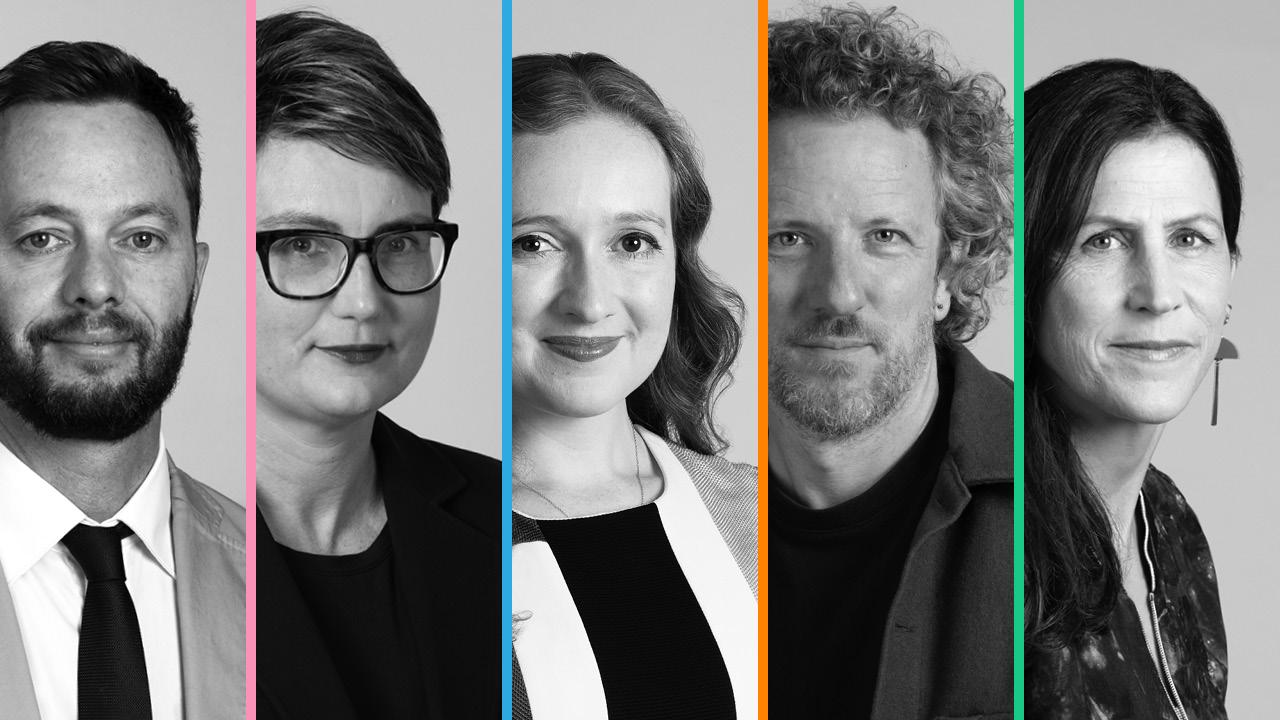
Charu Maithani
Charu Maithani is currently a Lecturer in the School of Arts & Media, UNSW Sydney. As a researcher who organises her inquiries in the form of writing and curated projects, she is redefining how we think about AI and the images it floods our world with. Her work reveals how reimagining the way AI is trained—what it sees, learns, and absorbs from culture—defines our visual vocabulary and reshapes our collective imagination.
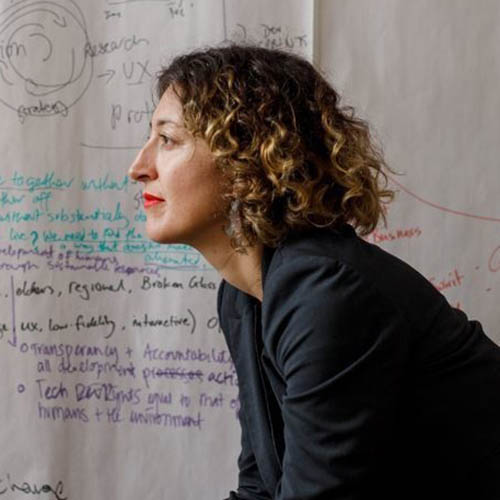
Angie Abdilla
Angie Abdilla creates video installations interrogating Indigenous deeptime knowledges, automation and AI, focusing on technology as cultural practice. Her research, artworks and films have been exhibited at premier cultural institutions, including the current Data Dreams: Art and AI exhibition at the MCA, and previously, the United Nations; Ars Electronica, Linz, Austria; the International Documentary Festival Amsterdam; the Museum of Old and New Art, nipaluna/Hobart; and the Goethe-Institut, Sydney. Her pioneering research on cultural governance for AI has influenced governments globally. She is the founder and director of Old Ways, New; co-founder of the Indigenous Protocols for AI working group; won the inaugural Women in AI Award for Creative Industries; and is a Professor at the School of Cybernetics at the Australian National University.
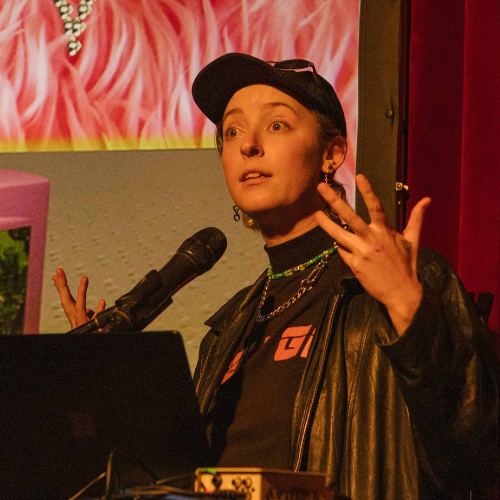
Xanthe Dobbie
Xanthe Dobbie is an interdisciplinary artist and researcher working across digital and physical realms to capture the strangeness, urgency and humour of contemporary life through a distinctly queer and feminist lens.
Their work has been exhibited locally and internationally, including Matrix Re-Loaded at RMIT First Site Gallery (2023), Cloud Copy at Lismore Regional Gallery (2023), The Long Now at ACMI (2022), and Don’t Be Evil at UQ Art Museum (2021). Their most recent work was Distraction at Science Gallery (2025). Xanthe's practice spans interactive media, VR, AR, collage, live performance and installation, drawing on pop culture, history, and iconography to build lush, provocative “shrines” for a post‑truth era.

Toby Walsh
Toby Walsh is an ARC Laureate Fellow and Scientia Professor of Artificial Intelligence at UNSW and CSIRO Data61, and adjunct professor at QUT. He is a strong advocate for limits to ensure AI is used to improve our lives, having spoken at the UN, and to heads of state, parliamentary bodies, company boards and many other bodies on this topic. He is a Fellow of the Australia Academy of Science and the winner of the prestigious Celestino Eureka Prize for Promoting Understanding of Science.
Toby appears regularly on TV and radio, has been profiled by the New York Times and given talks at public and tradeshow events all over the world. He has authored five books on AI for a general audience, the most recent ones entitled The Shortest History of AI and Faking It: Artificial Intelligence in a Human World.
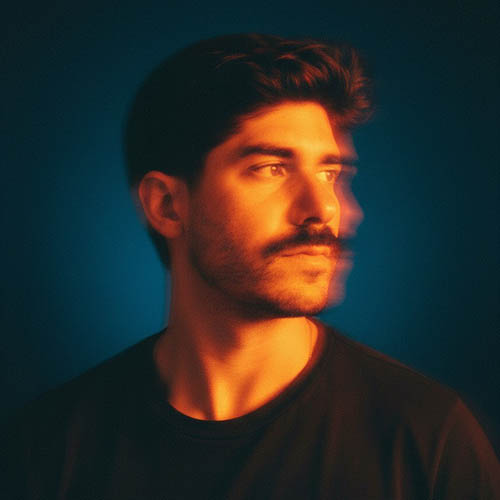
Rodolfo Ocampo
Rodolfo Ocampo is a creative technologist, applied AI researcher and artist who’s fascinated with the wild frontier where human and artificial creativity intersect. He recently completed a PhD in human-AI co-creativity at the UNSW School of Art and Design. His work spans everything from one of the earliest viral GPT‑powered tools to designing generative multisensory art installations and projects for the Sydney Opera House, Milan, London and Miami Design Weeks, The Australian Financial Review and more. His work and research explores how humans and AI can co‑create in ways that unlock new possibilities rather than replacing or automating human creativity.