
Sue-Anne Hunter: Our kids deserve better
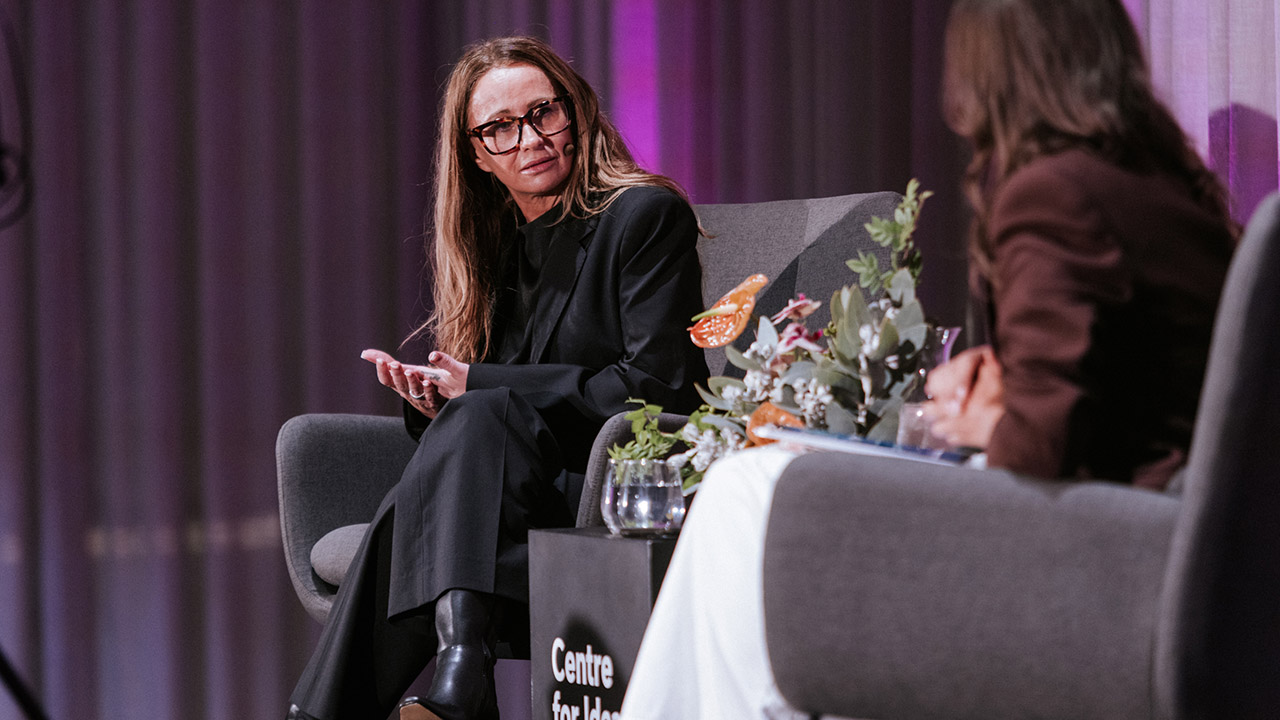
I'm hoping I can set up something that's long-lasting. I don't want a legacy. I don't need that. What I need is to set it up so the next person can build on what I've done.
Following the historic appointment of Sue-Anne Hunter as the inaugural National Commissioner for Aboriginal and Torres Strait Islander Children and Young People, Australia finds itself on a new journey but an old and critical road to mend.
From the over-representation of Indigenous kids in child protection and youth detention systems to the inordinately high rates of incarceration, family separation and suicide, there has been an ongoing failure to address their health and wellbeing, justice and education. Commissioner Hunter has been clear - First Peoples’ children and young people deserve better.
In an evening of reflection and hope, Sue-Anne Hunter shares her vision for uplifting the lives and voices of Indigenous Youth in Australia. She discusses how this new agency, now given statutory powers to do its important work, will help to realise international and domestic commitments to human rights, address systemic failures in federal and state institutions, and enhance the safety, wellbeing and life chances of Aboriginal and Torres Strait Islander children and young people. Sue-Anne Hunter was joined in conversation by Isabella Higgins, host of ABC News' AM radio program.
Transcript
Isabella Higgins: Well, good evening to everyone and thanks so much for joining us at this wonderful event with Sue-Anne Hunter. We’ve titled the event tonight, Our Kids Deserve Better. We’re going to get into all of that later.
First of all, though, I would like to pay my respects to the traditional custodians of the land on which we meet tonight, the Bidjigal people. I always like to say they were the original storytellers of this country. And we pay our respects to their elders, past and present, and extend that respect to any Aboriginal and Torres Strait Islander people who might be in the room.
First of all, a little about myself. My name is Isabella Higgins. I’m the host of the ABC’s AM program and also very proudly part of a very large Torres Strait Islander family.
One of the things I’m proudest of about myself, I’ve reported from all over the world, for the ABC, Ukraine, Israel, Africa, the US, Europe. But the thing I’m the most proud of actually is the work I did as the National Indigenous Affairs Correspondent, working, reporting on my community, my people for four years. It was a role that brought enormous pride and privilege, but also a great challenge and pressure and also a unique kind of pain sometimes of being exposed to the suffering and trauma and being reminded time and time again to be lifted by our strength and survival here.
Now, that’s more than enough about me, but on to our guest tonight. Thank you. That’s very generous.
Our guest tonight, who also knows all too well the challenge of working for and with your people, the challenge of navigating law, L-O-R-E, and Western law. It is, of course, Sue-Anne Hunter, the first National Commissioner for Aboriginal and Torres Strait Islander Children.
(Applause)
Commissioner Sue-Anne Hunter: I’ve got some fans.
Isabella Higgins: You’ve worked in a number of high-profile roles before this, including Commissioner for the Yoorrook Justice Commission, a prominent role at SNAICC, the National Voice for First Nations Children. You trained as a social worker, but you’ve really become recognised as a force, a leader when it comes to issues on Aboriginal families and children. You’ve achieved so much, perhaps now you take on what might be one of the biggest challenges, this inaugural role as Commissioner.
Tonight, we’re going to unpack your vision for the role and also have a discussion about how that plays out in the current national landscape. Because, of course, your work is coming at a time after the rejected voice referendum, the scrapping of treaty and truth-telling processes in some states, and also a really tough budget environment for governments and households. In recent weeks, of course, we’ve also been reminded of the worst kind of tragedy that can happen to our children, with the passing of Kumanjayi Little Baby in the Northern Territory.
So, no one would say that you’re taking on an easy role, but it seems like you’re more than up for the challenge. Just one more round of applause for Sue-Anne Hunter before we go.
(Applause)
Isabella Higgins: So, we’re going to jump into the question and answer portion of the evening. And my first question for you, Commissioner, is I’ve sort of rattled off and listed a whole bunch of your professional achievements as an adult, but who was Sue-Anne Hunter when she was a child?
Commissioner Sue-Anne Hunter: Well, what wasn’t she like? I think I was very shy, like painfully shy. I know it’s hard to believe now, but I didn’t have many friends at school, but I was a big family, family of six kids.
So, I had lots of friends and learnt a lot from my brothers and sisters. But I found school really difficult. I think if I got diagnosed, I’d probably have dyslexia. And I think I learned how to overcome that in the years following, but yeah, very shy. And then probably teenage years started to be a bit more outgoing, I think. Learned how to navigate racism at a very young age.
The only most of our schools I went to, we were the only Aboriginal family. And also being white passing, you would cop the racism. I remember being suspended because I was very rude.
I’ll just say I was very rude to someone. And that picked on my dad and his skin colour. And I just think we had to, and anyone else that would understand, I can probably look over here and you’d probably agree with me, how you navigate those things sets you up for life.
And I realised that not so much hitting back, but being standing in your power, I think at a really young age was like. And then I had younger sisters who I felt that I had to do that for as well. So, I think that set me up.
And you shouldn’t have to be set up like that. I don’t think anybody should, but I think that’s the point where you get set up. And I’m very big on what I do. I don’t want that for the next person. And I learnt that at a really young age. And I think that’s sort of why.
And then I didn’t really like school. So, I dropped out about year 10 and went and worked, did lots of jobs. But it wasn’t until I really got a bit older and went and worked at VACCA as a caseworker, because I decided I want to work for our people.
And before then, it was just mob, they were just your family, just hung out, all that sort of stuff. And that really opened my eyes a lot. And that was really early 20s.
And that’s when I thought, this is it. And this is what I need to study.
Isabella Higgins: And what sort of work were you doing there?
Commissioner Sue-Anne Hunter: I was doing casework.
Isabella Higgins: Yeah, really difficult job.
Commissioner Sue-Anne Hunter: Yeah, there was no requirements then. I sound really old. There was no requirements then.
So, I could actually just be a caseworker and working with really young kids that were removed from families. And I remember, I remember that first week, going home and crying, because it was just, and I thought, this isn’t about me, this is about them. And how do we do that?
And I remember that really vividly. And I had a really big disclosure in my first week. And that will sit with me and I still follow that family.
And if I see them, I always, but I’ll never forget going, God, I need to learn how to do this better. And that’s what got me into social work.
Isabella Higgins: Yeah, because we see now and we see fighting for our people, but it can be really heavy sometimes. And you develop a unique kind of skill to keep going, I imagine.
Commissioner Sue-Anne Hunter: Yeah, you, I think I’m good at compartmentalising things in my life and putting that. But I also have, and I think we spoke earlier, I have a daughter who doesn’t let me be a big shot. Mum, you’re home, you’re my mum now, that’s it.
And so I think it’s the people you surround yourself with. And you surround yourself with like-minded people. And when you’ve got to be you, you just, it’s okay to be you.
I think that’s the most important thing. And I see a therapist, you see therapists. So that’s really, and I think we shouldn’t, that’s our, I think that’s a strength of saying what you don’t know or how you’re feeling.
And that’s really important to me as well.
Isabella Higgins: Yeah, black families are pretty good at knowing how to bring you right back down to earth, aren’t they?
Commissioner Sue-Anne Hunter: Yes, they are.
Isabella Higgins: Can you talk us through a little bit how you got from VACCA to where you are now?
Commissioner Sue-Anne Hunter: Look, I pinch myself every day to think about where I’m at. And I try not to think about the enormity of it, because I think I drown in that. I just worked my way through, I think.
And I’m really curious. So I want to know and I want to learn, like I don’t think I’ll ever stop learning. And I also like people to change my mind or do the argument with me, and have a debate rather than an argument, so that I can understand others’ points of view.
And I love doing that with kids, especially. I don’t understand, like, I don’t see it like that, tell me how you see it. And they love telling you you’re wrong, right?
So that’s the part of the job that I’m just going to love the most, them telling, no, you’re wrong. It just worked my way from casework. Then I managed caseworkers.
And then I did like family support and family violence. I moved around a lot in VACCA. So that was like over 20 years, and then set up the first Aboriginal therapeutic team.
And so I ran that for quite a while. And then I felt it was time to leave, which was really hard, because when you’re in a Black org, they’re your family. And they give you the love and support and they give you what you need, plus the families, like, that’s really hard.
And even though I was always in management at points, I always made sure I had a family I was working with, that kept me grounded. And I also in somewhere in there did family therapy as well, and little bits of training. I love doing training, like therapy training, and then ripping it apart, using culture as the foundation, and then building a backup of what we need.
And then I did some work, I think I went to SNAICC. I did some work there. And then I did a bit of consultancy, but I’m not very good at working for myself.
I’m really bad at it. Because the admin, I can’t. It was too much.
And people like, we want to pay you, we don’t have an invoice. So I’m like, oh, I’ll send it. And anyway, I was just really bad.
I know, I was so bad.
Isabella Higgins: It’s double the tax too.
Commissioner Sue-Anne Hunter: Oh, it’s just all this, you know, someone else, when you’re working with people, someone else does that, it’s really good. And you don’t even have to see it.
Isabella Higgins: We know what we’re good at.
Commissioner Sue-Anne Hunter: Yes. So I went back to an organisation, but I was inundated with work, like a lot of work. And I just thought, oh, it’s so needed. There was one case where I worked as a consultant, I reviewed and got a child back home.
I feel like I had more power being outside the system than in, which I found, I struggled with that as well. Yeah, went to SNAICC, which was good. And I think there I was trying to figure out where next.
And then you look, come up. And someone told me that, oh, you could be the director of the therapeutic side. And I said, what?
I could be a commissioner. What are you saying? And so that was a challenge.
And so I put my hat in the ring and I thought, if I don’t get it, I could always be that director. And I looked and then it was a really public process. So it was Victoria’s first, Australia’s first truth telling commission.
And there was 60 people and I’m looking at mob going, I’m not going to, there’s no way. And then it was down to 20. And I got an interview online because it was the sort of, sort of in and out of COVID.
And then I remember getting the phone call and I was in some dodgy hotel in Adelaide ready to deliver some training of some sort, watching a spider call across a, is this how dodgy it was? A pillow. I just will never forget this.
I know. And I’m like, oh, what am I doing? And I got the phone call and I cried.
I literally, because I was like, how, you know, how did I get here? And then the enormity of that, I couldn’t think about it. I just had to, you know, and then four years, four years of honour of listening to people’s truths of sitting with aunties and sitting with uncles and sitting with grandparents, sitting with kids from, you know, prisons to hotel rooms, to coffee tables, to wherever you could imagine, to being freezing cold out on Country, to being, you know, in a lounge room that’s stuck with an auntie that’s cold with the heater blowing, you know, and you’re dying, you know, but you just do what you got to do. But then also sitting and holding State to account, felt like a black Judge Judy.
One of my favourite parts. Asking questions and knowing in the back of my mind that I had to honour our people, but how do I ask him in a way that people listen? So without holding a line of respect and dignity, because these people standing before us had to answer to history and they also had to answer to current, but some of it was a lot of history that to answer to.
So I think I was able to do that within that job. And then we handed down, wasn’t even a job. I don’t even know why I called it a job. It was, it was an honour.
And then I wasn’t going to apply for this role because I thought there was a lot of people that could probably do it better than I did. And the last minute.
Isabella Higgins: And then what changed your mind?
Commissioner Sue-Anne Hunter: I think Yoorrook changed me. And I thought I have, I know, I know stuff. I know stuff and I could probably bring it into, I think from setting up a commission, and we had to set up Yoorrook, to understanding legislation and what we needed to do and how we hold, and we had to hold this a lot and they compete.
We had to hold culture and law L-A-W in both hands at times.
Isabella Higgins: And they can be quite incompatible.
Commissioner Sue-Anne Hunter: Yeah, well, that’s right.
Isabella Higgins: So how do you do that? And how do you hold? And I just thought that aspect of it, I could do really well. And I know our kids and I’ve worked with them.
Plus, I was able to bring the on ground experience of sitting with our kids and doing casework with our kids, but fighting for justice for our kids in youth detention and out of home care. You know, I thought, well, let’s go for it.
Isabella Higgins: Yeah. And here you are, you’ve got the job. Not an easy one. Huge in tray when you come in and take on a job like this. I mean, we see the Closing the Gap statistics.
We know that our children often don’t get the best start in life, whether you look at health, education, housing, being removed from their homes. When you come into a job that is this big with so many things you could work on, how do you determine what your priorities are? And what are they?
Commissioner Sue-Anne Hunter: So number one priority is getting this set up so nothing’s in place. So we’re going to a statutory body. The first thing, there was no policy.
So this is the first time they’ve hired a commissioner with no policy and legislation. And so I worked with DSS and the public servants on policy and also the legislation. Not an easy task on either side.
They wanted to protect the state or the, I get it. They want to protect the government and I want to protect our children. But I think also questioning how that’ll work on the ground.
What does that look like? What do you mean? I don’t understand that.
Asking lots of questions. And then they started to get to know why I was asking these questions. Can I say by the end of it, they were, that what we got, they were so grateful.
And they said that they’ve learned a lot in this process, which I was, it was really great. I learned a lot about government process and procedures because I’m not a public servant and I get reminded that a lot. But that was, then the legislation, I will give Minister Plibersek her dues. She gave us a lot of what we asked for. A lot of, I didn’t think we’d get as much as we did. And then when that, I’m a crier.
I went home and I just cried all the way home going, we did it. We got this for our kids. And I might’ve done that part, but let me tell you, there’s a lot of people, even in this room that fight for our kids every day that we would not have got this up had we not had the uncles, the aunties, the people in the organisations that have fought for this for years.
And that’s why you can’t take this job lightly because they’ll come and get you if you don’t do it properly.
Isabelle Higgins: They don’t hold back.
Commissioner Sue-Anne Hunter: No. But that’s the part I didn’t, they did that long, hard part. That’s, even though it was hard slog, I know that’s the easy part, if that makes sense.
Isabella Higgins: And so where to from here, where do you see the next years taking you?
Commissioner Sue-Anne Hunter: So we won’t, we’ll get legislation on the 1st of July. And so the three sort of priorities for me, and we can’t ignore them, are out-of-home care, youth detention and health. I don’t think if you have good health, you can’t attend school.
Education is huge, but there’s a lot of people working. So maybe the next commissioner can do that. But I think in out-of-home care and youth detention, there’s health aspect.
Our kids’ mental health is really suffering at a time of racism that is so rife. And I see it a lot in our kids. To set actual boundaries around that, we’ve commissioned some work that’s being done as we speak around looking at, I don’t think I’m ever going to say anything new in this role that nobody’s ever said before.
A lot of work has been done. So what we’ve got is we’ve commissioned some work where we bring together all the out-of-home care national and state-based, the major ones around out-of-home care inquiries, commissions, and the same for youth justice. And we’ve got to really analyse that and we’re going to try and bring a different focus.
We’re not just going to say, well, this is what happened here and that’s what happened there and this wasn’t implemented. We’re going to have a look at what our powers are to what we see and look at where we go from there. So soon, that’s not my blueprint of where we’re going to go.
But already I’ve had people come to me and I’m seeing things a lot differently through different lenses. I’ve got a lot of great people in my corner, a lot of elders that I seek their counsel, they’re wise, they’ve been around a long time saying, hey, I was thinking about this and they give me a different lens. Okay.
And the list gets bigger and bigger, but I’ve got five years and I need to really, I’m hoping by the 1st of July, I’ve really grounded in what we will look at. I don’t want to come out doing an inquiry for the sake of doing an inquiry because they’ve been done to death. Our people are over-consulted.
I don’t want to go to our kids and over-consult our kids because I don’t want to give them that burden either. So I want to be really strategic in what we do. But we’ve also just submitted to the parliamentary inquiry into racism.
So that was probably our first bit of work that we’ve submitted.
Isabella Higgins: And when you talk about making changes in those kinds of areas, I mean, that’s really big, systemic changes. How do you work with governments who maybe their main priority isn’t improving the lives of Indigenous children? If we think about some of the legislation that’s coming in, in places like the Northern Territory, where they’ve actually repealed some of the legislation recommendations that came out of the Don Dale Royal Commission, how do you work with governments to try and change these systems, things that feel so entrenched and unchangeable, and at a time maybe where it doesn’t feel like that political will is there?
Commissioner Sue-Anne Hunter: I think one thing is I have to carry hope. Because if I don’t, I shouldn’t be in this job.
And so working with the other states and territories commissioners, advocates and guardians is really important. They know their backyards. So making sure I’m working with them, not against them.
And also there’s some stuff done at the Commonwealth that hasn’t been, and we all know this. So bringing that together and really laying that out foundationally with the government about we’ve got this, how are we going to move forward? Because there has to be change.
And we’ve seen that this week. If we don’t get change, the same thing for our children will happen again and again. And when I say our kids are dying, they’re dying and they’re being removed from family.
Like if that’s not enough to get people to get change, people don’t listen to statistics anymore. I feel like you just gloss over them because they’ve been told so many times. So how do we look at the levers at a Commonwealth level?
How do I work with state and territories to make sure that we’re not burdening them with anything extra, but also supporting them? So at the moment I’m supporting Northern Territory Commissioner at this time and what we can do together and what that looks like, and we can share resources and things like that. Like that’s how we’ve got to work.
They know who they hired. So I think just to be really strategic in how we present what needs to be changed to government, but I don’t have to work just on one side. So I can work with all of government across the board.
So every party. So that’s where the strategy lies.
Isabella Higgins: Yeah. I mentioned earlier the awful case that’s really gripped the nation, the death of Kumanjayi Little Baby. We want to be really respectful to her family who are in the middle of a mourning process.
But it has started these conversations about the systems in which Aboriginal children live, particularly looking at housing, particularly with that focus on the Northern Territory. When you look at these sorts of things, do you just think the state is letting children down?
Commissioner Sue-Anne Hunter: The state is letting children down. Every state and territory is letting our kids down.
Housing is a child protection issue.
Corrections is a child protection issue.
They’re all child protection issues because if you don’t get them all in order, you need to prevent the harm. And so all like this doesn’t happen.
Things like this don’t happen in a vacuum. They happen with all these systems and there needs to be all systems changed to make better for our kids. Look, that’s just one story that made the headlines.
And if we look at it and you ask any caseworker in this country, they will tell you a story, you’ll end up in a state because this is a daily basis for our kids. When we did Yoorrook, there was a 10 year old who was homeless, 10, a homeless 10 year old. How does that happen in this country?
Isabella Higgins: And how does it, in your mind, how has it happened?
Commissioner Sue-Anne Hunter: It’s state failures. It’s the systems that they don’t invest in that people are falling through.
There’s a massive, just overall housing crisis. My daughter said to me, Mum, how come people are homeless? And she goes, don’t they care?
And obviously not. It’s where do you put your money? I feel like the closer I’m more, the more I understand and the closer I get to the politics of it all, it becomes a football, as we all say, Aboriginal affairs is a political football, but it’s also, it doesn’t win you any votes.
So if you’ve got our back, you don’t get the votes.
Isabella Higgins: And how do you, in this role, advocate for those needs if it’s not maybe through those traditional means of appealing to government so that it brings votes or that it looks popular in the electorate? How do you appeal to government to make that change when it often is appealing to the good angel on the shoulder?
Commissioner Sue-Anne Hunter: Well, I think, as I wrote in my op-ed, we forget to bring children into our discussions. It’s always about the adults. And it’s about, when you look at family bonds, it’s a lot about women and people forget about the children.
So one of the things, and working with the National Commissioner, Deb Tsorbaris, we want to look at children’s rights and how we get those more into, we’ve got a few ideas of how we can work with those because there’s the right to housing, there’s the right to be safe, there’s the right to be heard. There’s all those rights in there. So how do we get them in there?
We’ve also got in our legislation, and I’m happy to be corrected, but it’s like one of the first legislations where we’ve got the UNDRIP principles in there as well. I think one of the things is bringing to light, we can get documentation and evidence, right? So how do we get that and bring that to light to the general public to show them?
We’ve got children with rheumatic heart disease in remote communities, the highest in the world, the world. But there’s an answer to that, and there’s things you can do for that, and we don’t do it. And so the questions need to be asked of why you allow these children to have these diseases and die.
And they have to be asked in a way that we would have a conversation, like not some big glorified whatever, you know, making a political statement. I’m happy to go behind closed doors and say, well, why are you letting our children die? Like that’s the conversation that needs to happen.
Investment is just in the wrong areas.
Isabelle Higgins: You think systemically?
Commissioner Sue-Anne Hunter: Yeah. If we don’t have money investing in our children, like I mean all children, particularly, I don’t know if anyone’s got a child here and had to wait for mental health services, you’re waiting years. Our suicide rates just out of the last, you know, report were terrible, absolutely horrific. But I think the conversations aren’t had with children in the room.
So one of the things I want to do is bring the kids to Parliament, to bring the kids to the change makers. You tell them your story and you sit at that table and you listen. Because if I have to go and listen, so do you.
And then if there’s parliamentary inquiries, I want to be able to get them to come, mind you, in a very safe therapeutic way. Just saying, like just not dragging kids along. The ones that are ready, the ones that can tell the story, because it’s hearts and minds.
It’s hearts and minds. And these kids deserve more than we give them.
Isabella Higgins: And how do you see yourself going and listening to Aboriginal children around the country?
Commissioner Sue-Anne Hunter: So we’ve got to do all the frameworks and all that stuff. But we aren’t at this point going to set up our own advisory. I’ve decided that that’s a lot because it’s setting up everything else.
We’re going to actually already use advisories around. And most people will have them in their own states and territories, and we want to tack on to them. I think there’s one coming up and they do a dinner every month.
So we’re going to pay for this dinner. We’re going to sponsor the dinner and we’re not going to ask many questions. They can tell us whatever they want.
Whatever they want, good, bad, ugly, you can come and speak to us. We’ve also got these postcards we’re creating. It’s ‘tell the Commissioner what you want her to do.’
So I’m going to get lots of instructions about what they want us to do. I think they’re my boss. They’re my boss.
So they get to tell me what to do. Also, there’s another point of breaking down policy before it gets implemented and breaking it down enough so kids understand what it means for them on the ground. So, you know, they’re talking around this, but this is what it could look like on the ground.
What would that mean for you? I’m sure they’re going to have something to say around that. And I think that’s really important because that’s where the start of everything starts in the policy.
And so I don’t actually want to be the face of the commission. I want the children to be and I want their stories and words to guide where we go, how we tell a story, what that looks like. That’s their call.
So lots of work with them, but lots of work with all of them. So I think one of our first is out to the Torres Strait to talk about climate change. That’s there.
That’s what they want to talk about. So there’s things like that. I’ve been invited to lots of places and it’s really exciting.
Isabella Higgins: Where else is top of the list? I mean, we love that you’re going to the Torres Strait.
Commissioner Sue-Anne Hunter: I know. I thought you’d love that.
I really want to go to places that don’t usually get consulted. So we’re looking at, we’re going out with the WA Commissioner, out to some remote communities there. I think Aunty Rachel’s invited us to Palm Island.
So when we’re in one place, we really want to, part of my goal is to do a bit of a report on there, but not a report-report, you know, this is how many kids and this is child protection. We’re going to write it in their words and then we’re going to go back and we’re going to double check and make sure that that’s what they want to tell. Of course, we’ll have, you know, stuff in there that needs to be told, but I want them to tell the story of their land and their place and what’s going on for them.
So that’s, those will come out as we go to regions as well.
Isabella Higgins: And is it kids in remote and regional areas that you want to particularly focus on? I mean, we do know they often have the worst outcomes, but the majority of our kids do live in cities as well.
Commissioner Sue-Anne Hunter: Yeah. So it’s easy for me to do the city. So I’m trying not to make it Victorian centric, but I’m there because that’s where I live.
But generally if I go somewhere, we all go and visit. So if I’ve got a talk or something like this, you know, we’ll make sure that we’ve got another day to go out and visit while we’re there. And then we’ll generally work with the orgs. They know their kids really well. So where should we go here? But lots have reached out.
We’ve had so many people reaching out. And can I also say the young entrepreneurs reach out and we want their stories out there too, because we’ve got to change the narrative of Aboriginal children in this country. Like there’s some really deadly smart ones.
One girl was telling me she was a CEO of her own company. And I’m like, how old is she? She said 23. I’m like, 23? What was I doing at 23? I wasn’t CEO.
I’m sure I wasn’t CEOing. But, you know, there’s some really like amazing things our kids are doing. How do we showcase that as well?
Because it’s not all doom and gloom. There’s some amazing stuff. And there’s, you know, a young boy mentoring kids coming out of correctional facilities because he was one of them and never had him.
And like, you know, amazing stuff. So that stuff needs to be.
Isabella Higgins: Absolutely. When I was doing Indigenous Affairs reporting, whenever it felt like it was getting too heavy, I’d always say, I need to go to a school. Because you’d go and you’d feel the spirit of the children, their energy, their innocence, and it would be really reinvigorating.
And I imagine that’s maybe something along the way as you do this difficult job that will inspire you and keep you going.
Commissioner Sue-Anne Hunter: But you learn so much off them. Like they’re my biggest teachers and I learn a lot of them, but they are. They’re just inspiring.
And you, you know, I think I heard a young woman from the Torres Strait talk about climate change and how she linked that to family violence. And I’d never thought of that. And I was just sitting there going, I get that now.
Like watching, she was telling the story of her family, how the, you know, the islands are sinking and then how they’re have to move to the mainland and how this got, I was just, I could have listened to her for days, but really insightful. And they’re sort of in the background watching and listening as well. So, yeah, learn so much off them.
Isabella Higgins: In terms of places that you imagine you’ll be spending a lot of time, do you think Alice Springs is one of them? It’s always in the media, often not for good reason, you know, at the moment is one of those times.
Commissioner Sue-Anne Hunter: I think where it’s needed. So in supporting the NT Commission, if I need to be there, I will. I’ve got this thing where if I don’t need to be in a place, then I don’t need to be.
It’s sort of like someone asked me, was it going to go to NT for the vigil? I think I need to be with my people in my country and they’ll be with their people in their country. And just because I’m the National Commissioner doesn’t mean I have to have a presence there because that takes away from the, does that make sense?
So I just feel like where I need to be is where you feel your spirit needs to be. I think that’s probably the best way to put it.
Isabella Higgins: Well, it’s good that it feels like it needs to be in the Torres Strait.
Commissioner Sue-Anne Hunter: Yeah, you can come with me if you want.
Isabella Higgins: Leave the dog, leave the baby.
Commissioner Sue-Anne Hunter: No, bring the baby.
Isabella Higgins: Yeah, well, she’s got to go and meet her country people as well. So, okay, sign me up.
I guess in five years’ time when this role is up, what do you think success will look like? How will you know you did a good job?
Because it might be something that is quite hard to define, hard to put in a report, have a statistic on, what will success look like to you?
Commissioner Sue-Anne Hunter: I really don’t know because it’s so entrenched. It’s so, I don’t know, I carry the hope but I won’t go down without a fight, if that makes sense. I hope to finish this absolutely exhausted, absolutely have given it my all, but I hope there’s change.
Like my hope is, even if it’s just a fraction of a change, that the momentum starts. Like five years isn’t really long. I want the commission set up so it’s solid for the next commissioner, that it doesn’t fall over and that it’s, we’ve got, you know, everything’s in place so that they can walk in and just hit the ground running.
I think if we can see reduced rates, I think that for me will be enough.
Isabella Higgins: In those three areas?
Commissioner Sue-Anne Hunter: Yeah, in those three areas.
Isabella Higgins: Do you think there’s any easy wins, levers that can be pulled, systems that can be changed in those areas where you think this will be the thing that we can change and I will point to and say, I was part of that?
Commissioner Sue-Anne Hunter: I think there’s something in that I don’t think the system is implemented correctly. As in, I think there’s a gap between manuals and law and L-A-W and these child and family laws and implementation. Because if you’ve got the child placement principle implemented in your legislation, which, you know, and it’s not being done, then there’s an issue with the workers.
Not to, I don’t want to blame the workers as such, because that means they haven’t got the correct training. Right? So how do we do this?
I think there’s something in, you know, I’ll go back to Yoorrook because I know it. Within the risk assessment, it wasn’t a culturally appropriate risk assessment, but there’s also something in when someone implements, it becomes professional and personal judgment. That’s where the bias is.
There’s a big bias in there. Whether that person understands their own bias or not, it’s there and we need them to understand it. And I got that out of Yoorrook and I’ve sort of been asking lots of questions to try and understand that.
I think there’s something in there we need to do, but I can’t put my finger on it right away, but there’s this gap between what the manual order and then there’s the removal, because that’s the last resort. So why are our children overrepresented if it’s the last resort? I don’t, that’s what we’ve got to understand.
Isabella Higgins: I guess I just have to ask, like, as we talk about all of these things and the enormity of the role, and we’ve kind of joked about it as well, about how black families can bring you down to earth, but they can be really harsh critics too. And I think sometimes when you’re working with community, but from a Western institution, you can almost feel like you’re in this unwinnable position where you think, I’m barking up this tree, I’m trying to help them, but no one’s happy. How do you look after yourself as you do this?
Commissioner Sue-Anne Hunter: I’ve got really good black women around me. Sorry, men, but the women are better. I’ll just say that. That we just do stuff that’s not in the space. And I’ve got, I do have some friends that I’ve known for a very long time, and we do, we’ve got this WhatsApp “Chicks Who Lunch”, you know, we lunch, but it’s not about anything. And it’s just about life in general.
And we have a good laugh. You need to be grounded and be able to feel the warmth of others and be in places without the other stuff. I love being present. And I think that’s really important. And yeah, I’ve just got really good women where we do stuff that’s, you know, just silly and not anything. But I also have a solid group of family.
So I don’t know if anybody’s ever heard of the Jirri Jirri, the the Naarm-based Wurundjeri group that sing and dance. They’re my family. And so I’ll just go and dance and sing with them. And that is the most...
Isabella Higgins: Rebuilding spirit.
Commissioner Sue-Anne Hunter: It just, it just hits your soul and you are grounded and, you know, Black love and, you know, you just feel held and solid and you’re singing and dancing on your own country and painted up and, you know, that’s, you know, they’re the places where you feel like home. It doesn’t matter where it’s home and it revives you. And they check in on me all the time.
Isabella Higgins: And I found in my job traveling and working in other communities that sometimes you can feel that when you’re on someone else’s country, when they really let you in and it’s a familiar feeling of love or belonging.
Commissioner Sue-Anne Hunter: Yeah. So like the other day, leaving Alice Springs, just happened to be there when everything unfolded. And you go to the airport and there’s blackness and they just give you the biggest hug and you don’t even have to say a word.
Like that just fills you. That fills your cup. And I love our people.
That’s why I do what I do. Like I want our next generation to feel that love, you know, that solid love and be able to do what they want to do.
Isabella Higgins: Be proud.
Commissioner Sue-Anne Hunter: Yeah. Proud, right?
Isabella Higgins: Yeah.
Commissioner Sue-Anne Hunter: Yeah.
Isabella Higgins: Proud of the survival. Proud of the strength. Proud to show up everywhere.
Commissioner Sue-Anne Hunter: And proud to say I’m an Aboriginal person, right? Because it doesn’t feel very proud at the moment.
Isabella Higgins: Yeah. Do you feel like you are taking on this job at a difficult time, a difficult cultural landscape? I’m thinking back to Anzac Day, the booing at Welcome to Country.
Does it feel like after the referendum was rejected with some of the governments we have in place that this is a tough climate to be trying to make change in this space?
Commissioner Sue-Anne Hunter: That’s a heavy question. That’s a big question because people have license now to be racist, right? They just do.
I think I told you earlier when I was announced online by the minister’s office, my mum said, we need to ring the minister’s office. And I said, why? I’m not even in the job yet.
And she said, have you read those comments? And so I had, don’t read the comments, mum. Like you just don’t.
And so, and I was at Garma at the time and I’m just thinking through and going, are you kidding me? Like, I’m even, you know, but I think you have to have a thick skin. I think it is a really hard time.
Our kids see that booing. Our kids see what people think of us. That’s what hurts the most.
I’m able to check on my daughter. I’m not able to check on every kid in this country and particularly kids that don’t have someone that checks in on them. And that, that’s part, like, I want someone to check in on our kids.
I want them to feel safe and loved. And that’s why I do this work, but it is heavy. It’s, and you would know this, there’s racism everywhere.
And I don’t know if other people see it, but you see it and feel it every day in what you do. We’ve turned, we had to turn our comments off because I just said, turn them off, don’t. Yeah, it’s.
Isabella Higgins: That’s the reality of doing this job, doing this role.
Commissioner Sue-Anne Hunter: Yeah. Well, I know that I’ve put myself up for a target, but that target outweighs the wellbeing of our children.
Isabella Higgins: Something like the booing of welcome to country. I mean, that’s not really a system, is it? It’s people, it’s culture, things like that.
Is that something that you want to be part of trying to change or change the conversation?
Commissioner Sue-Anne Hunter: I think, oh, look, I don’t know where you start with racism. I don’t know. And I remember sitting through some evidence at Yoorrook to say that so much, a certain amount of racism turns into PTSD.
No, I don’t know if people have heard that. Like this was this clinical study that was done. And I think that’s the thing we need to tell people.
Isabella Higgins: Yeah.
Commissioner Sue-Anne Hunter: Like this is what it’s turning into. These are kids with PTSD because of racism and people don’t understand the enormity of words and actions. I think the conversation needs to be had and changed.
And I think just recently, first time racism was really mentioned in parliament was a speech over in WA after the sort of bombing. So we’ve got a long way to go. And I always say to people, if you speak up for my people when my people aren’t in the room, I know we’re starting to win. And that’s what I ask of people. Or to step in when you hear it.
Isabella Higgins: Yeah. Don’t rely on.
Commissioner Sue-Anne Hunter: Don’t leave it for us to do.
Isabella Higgins: Yeah.
Commissioner Sue-Anne Hunter: I love it when someone does that. It’s just best, I just let this unfold.
Isabella Higgins: Do you think as an Aboriginal woman, you feel safer in Australia now than when maybe you were growing up or 10 years ago?
Commissioner Sue-Anne Hunter: No, I think this is the worst.
Isabella Higgins: Really?
Commissioner Sue-Anne Hunter: Yeah. I think our women are over incarcerated. Our women, family, high rates of family violence, a lot more likely to die at the hands of family violence.
And what do you think happens to their kids when all this happens? Their kids get taken. No, I don’t feel safe.
Isabella Higgins: And it’s a hard time to be doing this job, if that’s the environment, if that’s how you feel to get up and do the job every day.
Commissioner Sue-Anne Hunter: But I think the thing is, if I feel like that as an adult, what do our kids feel like? I can’t imagine what they feel like. So I have a voice.
I actually have a position of power now. And I will do my best to make sure those kids don’t have to feel that.
Isabella Higgins: You have kind of hinted at it. I think we’re all getting a sense of it. But earlier on, you said they know who they hired.
What do you mean when you say that?
Commissioner Sue-Anne Hunter: Oh, I’ve got a bit of a mouth. Yeah. I think that’s the thing.
Yeah. I don’t mind saying what needs to be said. And I don’t need to say it with big words and in political structures.
And it just needs to be said. And I think you can do it in a nice, quiet tone. And I don’t need to go ranting and raving, but I will if I have to, sorry.
But I think I’m happy to be the quiet, calm, considered voice that sits behind, but also be loud when I need to be. So, yeah.
Isabella Higgins: So you’ve come a long way from that shy little girl.
Commissioner Sue-Anne Hunter: I know, right?
Isabella Higgins: Yeah. And that’s your metamorphosis. And perhaps you can help change some other children.
Commissioner Sue-Anne Hunter: Well, I hope so. And I think one of the things that I really want to do is, as I move through life and positions, and so when I went on to Yoorrook, there was some board positions. So I gave them to younger women.
They’re like, I’m not ready for a board. And I’m like, I’ll mentor you. It didn’t take long. And they’ve taken up board positions. Now, I want to bring the next generation along so I can retire early. No.
So that we’ve got another generation coming through. But I don’t want them like, I always say we should want to do ourselves out of a job. We shouldn’t need a National Commissioner for Aboriginal and Torres Strait Islander children.
Like, we should not need that. And so there’ll be a couple iterations of the commissioner. And then I’m hoping down the track things have changed.
I’m hoping I can set up something that’s long lasting. I don’t want a legacy. I don’t think that’s what, I don’t need that.
What I need is to set it up so the next person can build on what I’ve done. Yeah.
Isabella Higgins: Which is very humble way to look at it. And I think also often the view that a lot of powerful First Nations women take when they know how many women have come before them for them to be there.
Commissioner Sue-Anne Hunter: Yeah. And I come from a long line of strong black women. Yeah. So, you know, I’ve got to do them justice.
Isabella Higgins: Yeah. There’s a lot of questions that have come through on here. And one of the ones I want to look at.
Commissioner Sue-Anne Hunter: Be nice.
Isabella Higgins: Do you want to go easy or go hard first?
Commissioner Sue-Anne Hunter: Oh, whatever. Just hit me. Hit me.
Isabella Higgins: Okay. We’ll go. We’ll go. We’ll go for one of the hard ones then. What needs to change about how child protection is thought about and funded by the government?
Commissioner Sue-Anne Hunter: Well, it’s a, it’s set up, it’s a white system that’s set up. Basically, if we look back, it was set up to remove our kids. Yeah.
So we need to look at why it’s still removing our kids. And I think if it needs to be self-determining, we need to decide. It needs to be a self-determined way that works for us.
And it needs to be funded in that way. Not small bits that change when government changes. And I really want to be really clear.
Sometimes kids need to be removed. We know that, right? The thing is, if you remove a child, you need to plan how you’re getting that child home.
So where’s the work done? It’s always used to say this when it’s in casework. Okay.
Yep. I get it. But have you planned before you remove that child the start of how you’re getting that child back home?
I think that’s the biggest thing.
Isabella Higgins: So it’s a greater focus on reunification?
Commissioner Sue-Anne Hunter: Well, it’s a greater focus on mob. Like, what is happening in this family? And how do we get to that early?
And I think earlier, as in before the baby’s born, is the family functioning. But you’ve got to have safe options for people to go to. Like, you’re not going to go to hospital. You’re not going to go to hospital and say, oh, I’m having a hard time. Where does that go? Straight to child protection.
You need really rigorous wraparound services that are community controlled.
Isabella Higgins: And are there good examples of that happening in Australia?
Commissioner Sue-Anne Hunter: I think there’s bits and pieces of that happening. But we’ve still got a child protection system that’s focused on the law, L-A-W, that isn’t focused on the wellbeing of children. So if we focus on the wellbeing of children, we would have a different system.
Isabella Higgins: Do you think the system has changed much from when you were working in a...
Commissioner Sue-Anne Hunter: No.
Isabella Higgins: No.
Commissioner Sue-Anne Hunter: No. Sorry. I’m just saying sorry because I know some people are going to come at me.
I think there’s things like the Child Placement Principle, which has been implemented. We’ve had some differences in things put in the Acts. But again, it’s how it’s implemented, right?
Isabella Higgins: Because people would probably argue there’s more First Nations people working in these systems. They’re probably brought in for consultation more now.
Commissioner Sue-Anne Hunter: But you’re working in a white system. So you’ve got a white system and you’ve got to adhere to the legalities of that.
Isabella Higgins: And how do you change? How do you see that change?
Commissioner Sue-Anne Hunter: I think the thing is, it’s not working. So you need to change it. There needs to be laws. I’ll say we live in a society where there needs to be laws, right? And people would need to adhere to them.
But if these laws are there to protect our children, why aren’t they implemented to protect our children? And I struggle with the word child protection. It does not protect our children.
It’s like criminal justice for our young kids. There’s no justice in it for our kids. There needs to be these approaches.
Think about it. You’re removing kids from their parents and they’re traumatised for life. That’s the it.
I remember every time I would go home to my girl and I’d go, oh my God, like it would break my heart. And I still did the work. But I’ve seen lots of child removals.
But my thing is, how do we get them returned and really work vigorously with the parents and the child? Children in care don’t get therapeutic responses. They don’t get all that, you know, they might get a half an hour a week of therapy and yet you’ve just ripped a child from a family, sometimes for good reason, sometimes not.
But where’s someone in working with the family at the same time we’re working with the child?
Isabella Higgins: There’s another big, difficult question for you here.
Commissioner Sue-Anne Hunter: Oh God, I can’t save you all.
Isabella Higgins: It says Australia has so much work to do to address Indigenous youth in incarceration. Where do we even begin?
Commissioner Sue-Anne Hunter: That’s a really big one. But we know we need to raise the age of criminal responsibility, one. I mean, everybody knows a 10-year-old.
Think about the 10-year-old, you know, being locked up. I feel like it’s on a race backwards who can get to the lowest because I believe in Northern Territory they’re reintroducing spit hoods or they’re looking at that.
Isabella Higgins: Yeah. And they’re trying to reduce the age of criminal responsibility, not raise it.
Commissioner Sue-Anne Hunter: So there’s lots to be looked at. I think it starts with policing, I think. And what do we need to do in the policing area?
It’s most of our, and it’s the majority of our we’re failing kids in care if they’re going straight to juvenile justice. Like that’s ridiculous. If I was a mum, I am a mum.
But if my daughter, just thought about that. So if my daughter had a crime, did a crime that she needs to be locked up for, she wouldn’t be coming back to my care, right? I would be held responsible for my daughter’s crime as a mother.
Who’s the mother? The State. No one’s accountable.
That’s the biggest thing. There is no accountability for anything that happens. Like who’s accountable for the rates of child removal?
That’s a question. Who’s accountable?
Isabella Higgins: Well, once a year we read out the Closing the Gap report and say, oh, it’s not good enough again, not meeting the targets. That’s probably about it. Yeah.
Commissioner Sue-Anne Hunter: So my role has an accountability measure and I’m so excited about that.
Isabella Higgins: Tell us about that because someone has asked, how will you be accountable both structurally and relationally to children and young people?
Commissioner Sue-Anne Hunter: So I know mob that will hold me accountable. Don’t even worry about that one. That’s formal and informal. They will hold me to account.
I’m really, even though I don’t like it, I have to go to estimates, which I think is a form of accountability for me. So I need to be held accountable of what I’m doing in the office, which means everybody needs a form of accountability.
We get to, and it sounds really, it doesn’t sound like a lot, but we get to do either research or reports or inquiries and we get to table them in parliament. Now I know people are going to say, gather dust, what have you. I’m not going to let them do that because I’m going to rant and rave.
Isabella Higgins: You’ve already discussed.
Commissioner Sue-Anne Hunter: So I think the thing is they’re being able to get documents and show people. So the one good thing at Yoorrook was there was a bail reform and it was because of one incident. And then that adversely affected Aboriginal people in Victoria.
We were able to get those documents that said they knew, but they still didn’t. So being able to show people those documents, this is what you’ve done, and then figure out, we internally with the kids and whoever else comes to the party, about how we rectify this. And I think the thing that I also learnt at Yootrook is your recommendations need to be practical and implementable, and you need to work with the government systems around what needs to happen.
The other thing also is, as they’re doing, I’ve said to all the government areas, invite me to everything to do with our kids. I will say no. If I say no consistently, it doesn’t matter. Don’t keep inviting us because it’ll align with us and then we’ll know what’s going on. And there’s lots going on across lots of systems. How do we pull it together?
How do I be able to get all these people at the one table to talk about what everybody’s doing and it’s not contradicting and something’s failing here because of that? And we need these conversations. So part of my role is pulling people together and I’m going to do it because we work in silos, which isn’t helpful.
Isabella Higgins: Someone has asked, and you’ve kind of touched on this, but I guess if you were to summarise it, what opportunities do you see for driving change at a jurisdictional level for out-of-home care and youth justice through your role in legislation? You’ve kind of mentioned advocating for raising the age, some of those changes to out-of-home care. If you were to summarise, what would you say?
Commissioner Sue-Anne Hunter: I think being able to work with the jurisdiction, but also bringing to light nationally what’s going on. So having that overarching view, because one of the things we don’t have is really good data because it’s collected differently in states and territories. So we don’t know nationally what the... It’s grim. So we’re doing a data analysis at the moment because it’s collected differently. So how do we collect that the same?
Working with the jurisdictions, but also what are the levers in the Commonwealth? And I think being sort of... So DSS is sort of our back of house type.
Seeing what they’re doing before they do it, and where the money’s going, and really having a conversation, is that where it really needs to go? Could we look at this? What does that look like?
And even orgs applying for funding, is there a bucket of money that everybody... Or is there a bucket of money where it looks like Aboriginal orgs only can apply for? So that we can get the same.
I think there’s hope. I believe we can get change.
Isabella Higgins: A bit of a different pace here. Someone said, could you share more on your work building therapy and social work from a foundation of culture?
Commissioner Sue-Anne Hunter: Oh, thank you. That’s my... I love this part.
So I’ll use an example of something I did when I was at VACCA. So I built this model called Cultural Therapeutic Ways. And we all know the different ways.
So the outcome was self-determination. So if we were working together and we looked at trauma, trauma-informed. So everybody... This wasn’t just for mob we were working with. This is for everybody that worked there as well. So it would be trauma-informed.
I can’t remember them all now. So long ago. And self-determination.
And there was culture at that as well. And so culture was the foundation. And then how do we work together in a really meaningful way?
And then we broke it down for every single team of people we were working with. And I just bought little bits of different therapies in there. So we did this beautiful EMDR meditation.
I don’t know. It’s online somewhere. My sister said she heard it the other day.
It’s still doing the rounds. And looking at something like EMDR had these four elements, you know, earth, sky and water. So I bought it in culturally that works for us.
And being able to work in a way with people where they’re at but also the workers so they weren’t traumatised. Working with them of where they’re at. And then bringing bits of different therapies into that space.
And that’s still going now. And I’m really proud of that. And that means everybody feels held.
And we got that funded too. So, you know, staff are getting the training they need. People are getting, staff are getting therapy as well as in the way that they need it.
People are working in a really culturally sensitive way whether they’re Aboriginal or non-Aboriginal. And it’s just, it’s working.
Isabella Higgins: One of the questions here is for non-First Nation Australians, what are some of the ways we can help to bring about some of the changes you’ve been talking about? And what’s unhelpful and would you like to see less of?
Commissioner Sue-Anne Hunter: Oh, where do I start? I would say what would be helpful is listening to Mob and taking, you don’t lead because you don’t get to lead but you get to follow and you get to support us. And that’s like sharing things that need to be shared particularly online because we know that’s where people or, one of the things that I love the most is giving people lists of books to read.
There’s some deadly books out there. I’m sure people are like, what are they? Well, I can’t think of those top of my head but I’ll give you some.
Yeah, there’s this one over there. I’m happy to supply, you got people here that could supply lists. I think if we read people’s stories, watch documentaries, but you can’t lead because you don’t get to, you just don’t.
And so following our lead and I get a question a lot, what can we do? What are you prepared to do? That’s the question, not what can I do?
What are you prepared to do? Because you’re either gonna have to give up time or money or something. Are you prepared to do that?
Like, what does that look like for you? I think that’s the bigger question. What is unhelpful is speaking on our behalf.
Just don’t.
Isabella Higgins: People here are also asking, I think looking for some of the positive work that is done in our community. You were kind of talking about some of that amazing work that happens at the community org level that you were involved in. Do you have any recommendations or shout outs for organisations doing amazing work that you think we should be looking to?
Commissioner Sue-Anne Hunter: I think they all do in their own way in what their sort of specialty is. I will say, and I don’t know, I just know it’s in one of the remote communities. They do this, like with the kids, they do these raps and they teach them rap.
Oh my God.
Isabella Higgins: I know in Groote Eylandt off the Northern Territory, they have a whole rap program for the young kids.
Commissioner Sue-Anne Hunter: They’re everywhere. And they do music videos and it’s really cool. And some of them tell their stories, which is like, you know, and if you think about it in a therapeutic sense, it’s that beat, rhythmic pattern, it’s quite healing.
Some of them are a bit graphic to hear the language, but, you know, they’re amazing.
Isabella Higgins: On the other hand as well, it also brings back language as well and uses traditional language and makes it really accessible and makes it fun. And in so many of those communities that I’ve travelled to, there is this innate artistic, creative, musical side. You know, children and babies have been exposed to it since they were so young and they just need an outlet to feel proud of themselves, to show off their culture in a way that is really cool to them.
Commissioner Sue-Anne Hunter: Yeah, I think some of the really good programs are youth-led and just the doings, doing things like, you know, the paintings or the... And a lot of kids are making little docos now. I think they’re the things that I love to watch because you learn a lot.
Look, there’s a lot... I don’t want to mention anyone because I’ll get in trouble because I didn’t mention someone else if I mention. You know that.
Yeah, I guess. So there’s lots of orgs doing good stuff in their own areas and it looks different depending on which state and territory you’re in of what’s happening. But there is some really...
Isabella Higgins: And I guess it also looks really different whether it’s remote, regional or city, that kind of program.
Commissioner Sue-Anne Hunter: There’s some good birthing on countries, Cath Chamberlain shout out, programs happening that they’ve been doing research on and started. I love that because that’s the start. That’s the start where...
Isabella Higgins: Happy mother, happy baby. And some amazing midwives have really pioneered that space. And now that program or the idea of birthing on country or culturally safe care is really prominent in a lot of the major hospitals in capital cities.
And that’s the work of amazing black women.
Commissioner Sue-Anne Hunter: But also the Baby Welcome to Country, they’ve sort of made a bit of a revival, which I love. And they’re always lovely to watch and go down and see. I think that sort of...
They might be modern, but they’re still ceremony. They’re still our ceremony. And I think that’s really important.
I was at Women Deliver the other week down in Melbourne, got quite a big gathering of Indigenous women from across the South Pacific. And what an amazing... That’s where you feel held, right?
These amazing... And I don’t... Just the different cultures, but the singing.
I’m just like, I’ve never met a Maori person that can’t sing, by the way. I just want to throw that out there. But these women would welcome you in with song.
I’m just like, oh, it’s just beautiful. Like they’re the sorts of things that revive you. Those conferences where you catch up with mob or places like Women Deliver and you share what you’re doing.
You share it in such a way that you’re like taking away things back to your mob to say, hey, they’re doing this. Let’s think about how we could do it.
Isabella Higgins: I would like our final thought to be a reflection on the amazing spirit of Aboriginal children. Perhaps you could share a story of, or just something that stuck with you over the years about the incredible spirit of our children and what needs to be protected.
Commissioner Sue-Anne Hunter: Oh, that’s really hard. So I’ve worked with, I guess, hundreds of our kids and I just think people need to listen. They are so insightful.
They will teach you things that you don’t even think of. And they say and do things in a way that as an adult, you lose that sort of clarity because everything’s sort of a bit judgy when you, they just, they say it as it is. And in a way that either pierces you and hurts you because you feel so bad for them or so much love, even everything they’ve been through.
And I always say to them, it’s so cheesy, but I always say, stay strong, black and deadly. And they go, yeah, they love that. That’s saying they’re joyful.
It’s not, we take that joy and I think that’s what we need to remember as adults. It’s okay for them to do what needs to be done to be joyful. I think that’s part of the role.
I want to bring back their joy and their love.
Isabella Higgins: And if you think about young Suanne, the shy girl, how do you think she would have reacted if she had more people? Stay strong, black and deadly.
Commissioner Sue-Anne Hunter: I don’t know if she needed that because look at me now. I would have been worse. Oh, look, I think she wouldn’t have been as bullied or the racism wouldn’t have been as harsh as it was, I think.
But, you know, I don’t want that for any little one to have to put up with what, it’s just, it hurts. Like it hurts me to think about what our kids have to go through. And if it didn’t, I wouldn’t be doing this job.
And I want to somehow, I know I can’t take it all away, but if I can take away a little bit, I think that’s probably the thing that I want to leave, the commission knowing that they feel a bit safer and stronger, yeah.
Isabella Higgins: And that they’re proud to be strong, black and deadly.
Commissioner Sue-Anne Hunter: Yeah, exactly.
Isabella Higgins: Well, Sue-Anne Hunter, Commissioner, I should say, thank you so much for being so generous with us here, for all of your reflections, for sharing all of your knowledge. It’s so easy to sit next to you and chat because you’re just full of great yarns and full of life and energy. And I think there’s a lot of people who are really hoping that you have every success in this new role.
So thank you very much for your time. And a final round of applause for the wonderful Commissioner.
-
1/4
-
2/4
-
3/4
-
4/4
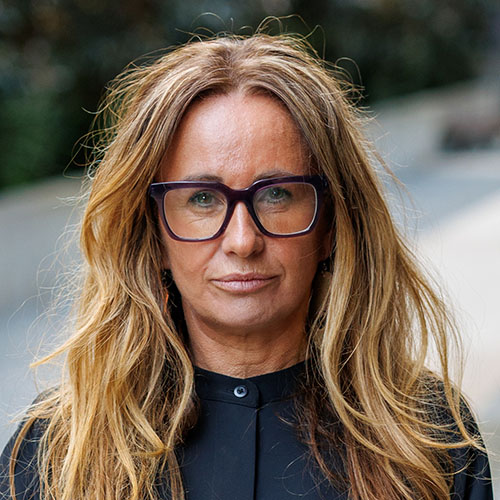
Sue-Anne Hunter
Sue-Anne Hunter is a Wurundjeri and Ngurai Illum Wurrung woman and first National Commissioner for Indigenous children and youth. From May 2021 to 30 June 2025, Ms Hunter worked as Commissioner of the Yoorrook Justice Commission, and has previously served as National Sector Development Manager, SNAICC – National Voice for our Children. A child and family services practitioner by trade, she has over twenty years’ clinical experience responding to developmental, transgenerational and community trauma. As the National Commissioner, Ms Hunter will work closely with First Nations peoples, communities, commissioners, guardians, advocates, other key stakeholders and, most importantly, directly with Aboriginal and Torres Strait Islander children and young people.
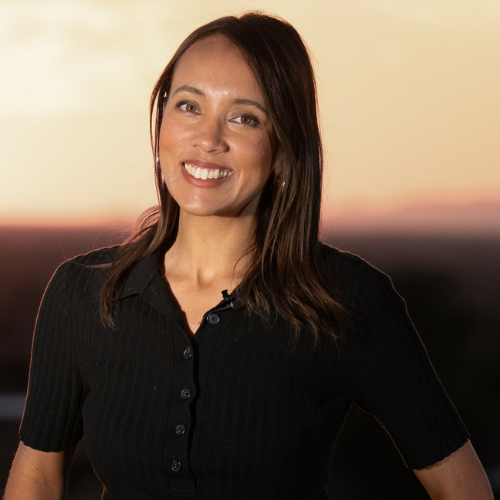
Isabella Higgins
Isabella Higgins is the host of ABC News' AM radio program. She's worked in the broadcaster's regional, state, national and international news teams, previously holding roles such as National Indigenous Affairs Correspondent and Europe Correspondent. While working in the ABC's London bureau she covered major events such as the Ukraine-Russia war, Queen Elizabeth the II's death, the Israel-Gaza war and a stint in the US covering the 2024 election. In 2019 her reporting on suicide rates in Indigenous communities received a number of industry awards. She grew up in Queensland in a large, proud Torres Strait Islander family.