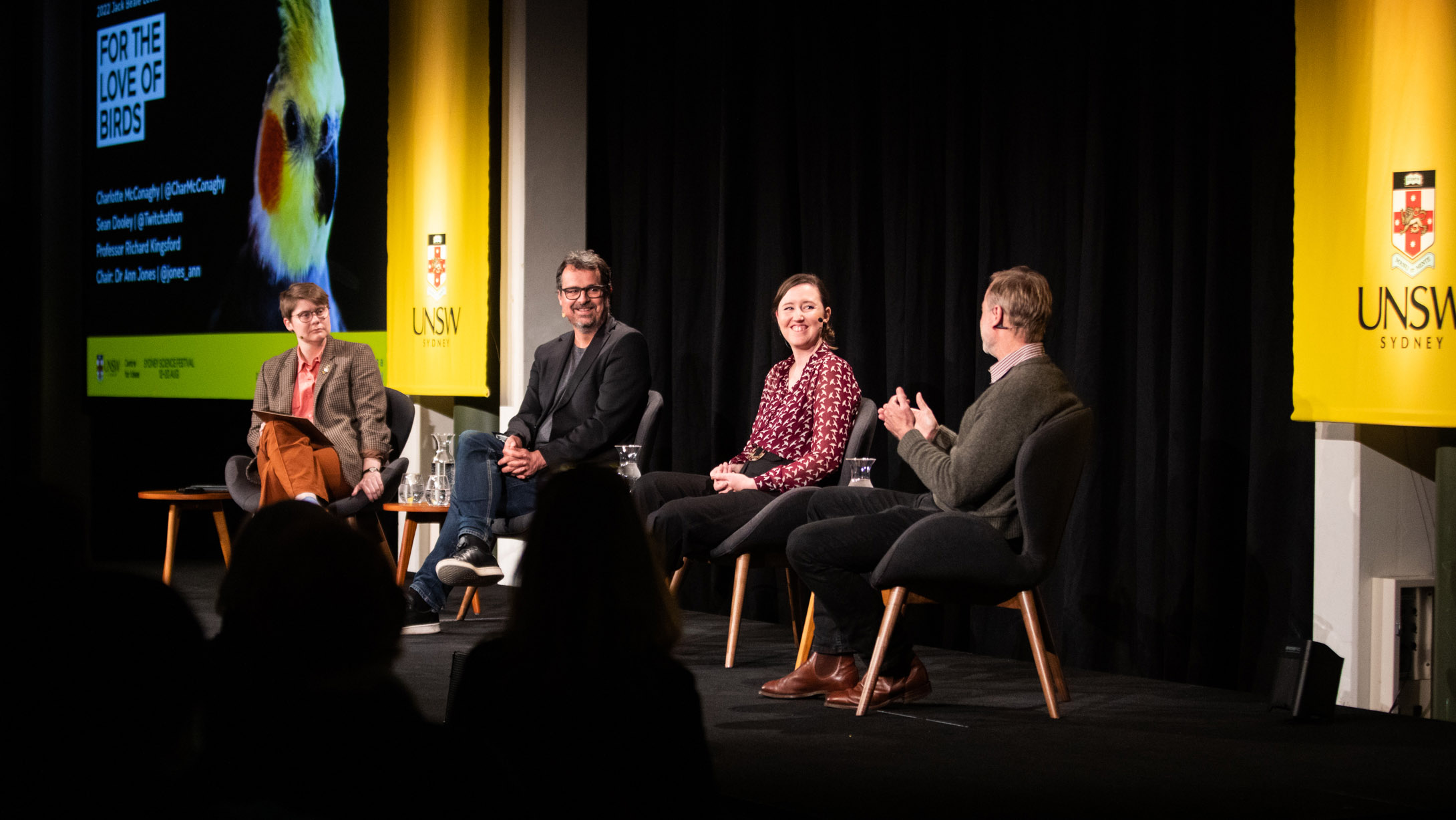
For the love of birds
I think we have a really profound connection with birds, they're both alien to us in the way that they live and exist in the world and yet they're very very familiar to us as well. They're perhaps the wildest creature that we share spaces with on a day to day basis and we imbue them with so much meaning.
2022 JACK BEALE LECTURE
A major upside to the pandemic has been a falling back in love with the natural world as people, confined to their homes, see their local landscapes through reinvigorated eyes. Birdwatching, and the citizen science of the backyard bird count, is booming.
So close, yet so far, these enigmatic creatures inspire the awe and affection of fans, who passionately lobby for their bird of the year and diligently record millions of informational gems in birdwatching apps.
But the news is not all good. As scientists and amateurs document worrying declines in bird populations, from climate change and development, there’s never been a more vital time to talk about what birds mean to us and what we can do to protect them.
Hear this lively panel discussion, hosted by Ann Jones, presenter of the ABC’s What the Duck?!, in conversation with ecologist Richard Kingsford, writer and birdwatcher Sean Dooley, and bestselling author Charlotte McConaghy, and you’ll certainly be among friends. Find out why people love birds so much, how this love grew during the pandemic and why taking action to protect birds is more important than ever.
This event is presented by the UNSW Centre for Ideas and UNSW Science as part of National Science Week and Sydney Science Festival.
ABOUT THE JACK BEALE LECTURE
The Jack Beale Public Lecture Series was established in 1999 by the Honourable Dr Jack Beale AO, a passionate advocate of environmental management and the first Minister for the Environment in Australia (NSW Parliament). The Jack Beale Lecture provides the opportunity for a prominent individual to examine Australia’s environmental responsibilities, opportunities and performance within a global context. Past speakers have included Professor Paul Ehrlich, Dr Rajendra Pachauri and Dr David Suzuki.
Transcript
Ann Mossop: Welcome to the UNSW Centre for Ideas podcast, a place to hear ideas from the world's leading thinkers and UNSW Sydney's brightest minds. I'm Ann Mossop, director of the UNSW Centre for Ideas. The conversation you're about to hear, For the Love of Birds, was recorded live and features Dr. Ann Jones, presenter of the ABC’s What the Duck?!, in conversation with ecologist Professor Richard Kingsford, writer and bird watcher Sean Dooley, and best selling author Charlotte McConaghy. We hope you enjoyed the conversation
Ann Jones: Hello, everybody, welcome to the 2022 Jack Beale Lecture. Today it's For the Love of Birds. I mean, it's always for love of birds. My name is Dr. Ann Jones. I'm a presenter with ABC radio, I make podcasts, I make television. My weekly program is called What the Duck?!, so as you might have guessed from that title, I am a bird lover, but I'm not really very serious about it. I'd firstly like to acknowledge the Gadigal people of the Eora nation that are the traditional custodians of the lands that we're meeting on here tonight and also of the marvellous birds that we're here to gush about. I would also like to pay my respects to elder's past and present and extend that respect to other Aboriginal and Torres Strait Islanders who are here today. Thank you for coming. Now, the Jack Beal Public Lecture Series was established in 1999. It's been going a while. The honourable Dr. Jack Beale AO, a passionate advocate of environmental management, and he was the first environmental minister in Australia at a state level. This lecture provides us with a chance to look at Australia's environmental responsibilities, our opportunities, how we're performing with those responsibilities, and this year, we want to focus on birds and what we can do to help and protect them. This event is co-presented by the UNSW Centre for Ideas and the Faculty of Science, as a part of National Science Week and the Sydney Science Festival, and I'm thrilled to be joined by three magnificent speakers tonight.
First, Charlotte McConaghy is an author and New York Times best seller for Once There Were Wolves, that's pretty recent. She has another international bestseller called Migrations, and that's the one I'm particularly interested in tonight. It won TIME magazine Best Book of the Year, and Amazon Best Fiction Book of the Year for 2020. It's been translated into 20 languages, and apparently the movie rights have been sold. Is there someone named Benedict Cumberbatch who’s involved in that?
Charlotte McConaghy: Yes.
Ann Jones: Yes!! And by God, everybody, there’s signed copies over there, if you do buy it to have a read, have hankies ready. Okay? You need hankies. Sean Dooley is also here, because you can't have a panel talking about birds without having Sean Dooley on it. It's actually a legal requirement in Australia. Sean is a writer, conservationist, he's a bird watcher, in fact, I think you're a twitcher, aren’t you?
Sean Dooley: Uh, reformed.
Ann Jones: Okay, we might have to hear more about that. Sean is currently the National Public Affairs Manager at BirdLife Australia, previously the founding editor of their magnificent magazine Australian Birdlife. He's an author of The Big Twitch, previous record holder for the most birds seen in Australia in a year, and a bit of Victorian context for you all, Sean appears very regularly on ABC Melbourne, and there's an absolute bevy of romantic interest because of his dulcet tones and his love of birds, and I kid you not everywhere I go in Victoria, they all want to know if I know Sean. So I'll have to get your number.
Professor Richard Kingsford. Now, I'm not sure how many scientists in Australia have a claim on the title for making the most journalists’ spew. But I would have good money on Richard Kingsford, who has been completing a waterbird survey in a small plane at extremely low altitude over wetlands. For decades. I've been on the plane and I did almost spew. He has almost…
Richard Kingsford: I think you’ve forgotten that you did.
Ann Jones: I had to ask in a very meek voice for them to just open the window a little bit, please? So it's four decades, 40 years this year of the East Australian…oh I've mucked it up, haven't I Richard? It's the waterbird survey that goes all over the Murray Darling Basin. 40 years in a damn small plane. Amazing. Richard has many more projects than this on the go including rewilding at the Sturt National Park and about a billion students that he mentors. He puts up with journalists like me at all times and with aplomb. And Richard, I've still not overcome the embarrassment that I referred to you as Professor Richard Kingston, as if you were…
Richard Kingsford: I remember that.
Ann Jones: A sweet biscuit, instead of a butt kicking professor, so I still haven't lived that down. Professor Richard Kingsford, thank you for coming along tonight. Now, let's start with you, Sean. Has it always been about birds for you, ever since your attacker?
Sean Dooley: Pretty much, pretty much. I was one of those kids that loved nature, but when I was four or five, I'd collect the… WeetBix had the African wildlife series, and I'd get the cards with a lion or a giraffe, and growing up in suburban Melbourne, I pretty soon realised I wasn't seeing those birds, those that wildlife in suburban Melbourne, and after I got in trouble for digging up the gravel driveway looking for dinosaur bones, I kind of gave up on nature for a few years. At five I thought, that's it, that there's nothing out there for me. But fortunately I lived in an area in Melbourne called Seaford, which is next to a suburb called Frankston, and people might have heard of Frankston even up here. Frankston is like the shorthand… lazy stand up comedians, when they want to talk about bogan places they always make jokes about Frankston. Or to put it in context, people in Frankston made Frankston jokes about people who lived in Seaford. But we had an advantage, we had a wetland. Seaford swamp next to my school, and it was where my eyes were opened. The scales, or the feathers fell off my eyes. In grade five, I had a teacher who had a pair of binoculars for every kid in the class. And he would take us down and we would jump over the tiger snakes and sit on the fence and watch the birds and he had slideshows of all the birds, and I was hooked within about a week of that, and it's been birds ever since.
Ann Jones: That's funny, isn't it? That impact of that one person…
Sean Dooley: Yes.
Ann Jones: At the right moment in your life? Yeah.
Sean Dooley: Absolutely. The motivation wasn't so noble, for me. He was… this was 1979, and apparently corporal punishment was still allowed in our school. And he, among all the naughty kids, like my brother, told me that he was the teacher that hurt the most when he gave you the strap. So I thought, as I was going into that year, I thought he likes birds, if I like birds, you won't give me the strap. So I had an ulterior motive. But really, within a week, I was absolutely hooked.
Ann Jones: So, that isn't still what motivates you in your career, I hope.
Sean Dooley: No, the intersection between bondage and discipline and bird watching, it's not very… there's not much. Very little crossover.
Ann Jones: Remember, you can ask questions about that sort of thing. If you go to the app… What about you Richard? Has it always been waterbirds for you?
Richard Kingsford: No, I'm a bit like Sean, I really got into it when I was about six, and I had a grandmother who was really into watching and ticking off birds. I was born in Kenya. And we used to go and visit her. And I remember her talking about this paradise flycatcher, which Sean, and others might know, but it's an amazing brown bird with… the male’s got this incredibly long tail, and they're just beautiful. And it was just probably that time of my life, I thought, this is… being in Africa, where we had the lions and the elephants, and liked those too, but I did really like the birds. And then I came to Australia when I was about 12. And I was just not very happy, because I thought there's no lions, and there are no elephants. But then I realised just how incredible the birds were in Australia. And it was then a sort of connection between a love of nature and wanting to look after it and, and thinking what trajectory we're on. And the ability to… and passion to think, well, birds might be a window into how we should be looking after this planet.
Ann Jones: And that's actually sort of, part of, what you do with your fiction writing as well, isn't it Charlotte? It's not just about birds. It's not just about romance. It's like, it's about care for the planet, as well. Why was it that you chose birds, or a bird?
Charlotte McConaghy: Well, okay, so, Migrations the novel, kind of came to me when I was travelling around, an I was on this, sort of, I guess it was a little bit of a migration of my own, I was searching for place and belonging and roots and history, I think, as we all do when we’re, sort of, growing up, and I just remember seeing so many, kind of, gorgeous birds and being really fixated on where had they been, what have they seen, where were they going and kind of longing to go on that journey. And that's where the character of Franny came into play. She's this sort of very restless soul who is migratory, like the birds. And she's on this, kind of, epic journey to follow the last flock of the Arctic terns, in the world, because the story is set in the near future. And during the peak of the extinction crisis, when all the animals really are either gone, or the last of their kind. And it just, I think, this bird, kind of, became a real metaphor for grit, and determination and courage and what it takes to survive the difficulty of this world. And I know that my, kind of, love of birds started a long time ago. I was trying to work it out, where it, kind of, I could trace it back to, and it was, I think it was actually at a bird show, a bird of prey show. At, like, a mediaeval festival or something, you know, those bird shows. And I was really little, I fell in love with them, they were so, sort of, powerful and graceful. But I also remember feeling incredibly conflicted about the fact that they were in cages, and that they lived, sort of, tethered to these humans, and I, you know, very big kind of complex feelings for a child, feeling like, well, I didn't know if that was safer in captivity, or if they, you know, should be free. And I think I, kind of, subconsciously brought that, that grappling into my work as a writer and into Migrations, because it sort of explores the idea… well, the argument between, whether or not we are a destructive species, or a destructive force on the world, and we should just kind of remain separate from the natural world to protect it, or the other side, which is more optimistic, which is that we are, we can be a force for nurturing and for protecting, and helping to grow. So I think I can trace that back to that weird mediaeval festival.
Sean Dooley: That's… can I say, that thing about migrating birds, that's something that I've discovered in my work at BirdLife… how they really do connect us. And there was this fantastic project called the Overwintering Project, which was a group of printmakers who, from about I think about 27 different countries were making prints inspired by the migratory shorebirds that fly from Russia and Alaska all the way down the East Asian Australasian Flyway to… through China, Korea and all through this Southeast Asian countries to Australia and New Zealand. And to see that these people from different cultures making prints about those birds and how they inspired them, like, that's just an added bonus with birds, is that their movement inspires us, their freedom and, and the fact that these birds, that they're almost the epitome of showing us how we are all connected. When you've got a bird like your arctic tern that travels 40,000 kilometres a year, linking the polar regions, it sort of really hammers home, that idea that we are in one world, and we're all connected somehow.
Richard Kingsford: I mean, one of the frustrations, I think, Australia's odd in that it does have lots of these birds that move a lot. But they're not predictable. So, I mean, we do have some that are, like the wading birds that go up… but unlike the, sort of, northern hemisphere, where everything sort of gets out of the winter and hit south, we're sort of driven by exactly what's happening in the inland, and despite sort of decades of working on water birds and other people working on water birds, we still don't have the foggiest, how these animals are able to get, you know, from down near Adelaide into Lake Eyre, or way up north, and their ability to know when it's on, because when it's on in the inland, they're incredibly productive ecosystems. But these animals are both able to know where to go, plus being able to, sort of, really sense the timing. So you can't just, sort of, head off… and there's some lovely snippets about some of these birds being able to do, like, hundreds of kilometres of reconnaissance flights, just to check out if there's something out there that's worth going to.
Charlotte McConaghy: Wow, I guess if they're, if they're so hard to predict, it must be difficult to predict where you need to focus your energies on, you know, conserving.
Richard Kingsford: It is, but I mean, and Ann was talking about the aerial survey, the wonderful thing about that is, we've been doing it for so long, we've gone through the booms and the busts, and many of them, so you're starting to get a real sense of where these animals are, we don't really know how they get there, and how quickly they get there, but we were getting a much better idea of the ecology of the system, and then, which are the hotspots. And I think that's a big challenge for, not just bird conservation, but conservation more generally, how do we hang on to those really important areas. And they might just be important, not just be important because they're lots of birds here, but there might be others that are important because they breed there. So it's actually thinking about the whole life history of these animals, that's really important.
Ann Jones: Which is difficult when they're so transitory and unpredictable. Can I get just a hands up if you know about Richard’s survey? Right, just so I know what level we've got to explain. What we’ve… okay, okay, we need to explain a little bit, right. So basically, you get in a tiny little plane with a pilot, and there's you looking at one window, and another counter looking at another window, and you fly at about like, you know, 12 to 25 metres, it felt like we had our butts in the water, right? Across basically all of the major wetlands going from north to south.
Richard Kingsford: Yeah, so we do about a third of the continent. And there are, we call them survey bands, but they’re imaginary lines drawn from the Northern Territory border across to the Queensland coast. And the first one goes from the Whitsundays to Mount Isa. The next one is from… drop down there and across to Rockhampton, and the most southerly one is south of Melbourne across Phillip Island. So we have essentially been counting the same surveys and wetlands, up to 2000 wetlands, across those imaginary 30 kilometre wide survey bands, the rivers and the wetlands, for this will be our 40th year. And we do fly low, but not all the time, it's only when we're at a wetland, and we rely on the plane going over for the birds to fly up, because we've got to, we've got we're like race callers, basically we've got these little tape recorders, we've tried all the technology, none of it can work as well as the human eye, in terms of seeing and identifying up to 50 – and estimating the numbers – up to 50 different species that, sort of, come out, as if you're in a powerboat, and the waves are coming out on either side.
Ann Jones: And inside the plane, of course, all you can hear is the engine roar, but they've got these little dictaphones and it's like 50 chestnut teals, 40 pelicans. It's just these little mumblings of birds out the window while you're trying not to throw up, because of, when you're that low it you know the planes going like this and then the water, and then they bank when they need to look because there was pelicans nesting back there, and you know, like it's hectic…
Richard Kingsford: But it had an impression on you.
Ann Jones: Those 40 years, though, I mean, over which time we've had massive events like the Millennium drought. Give us the sketch of the changes that you've seen over the 40 years.
Richard Kingsford: Well, we've had about a 70% decline in waterbed numbers across those decades. Interestingly, most of that decline is happening in the Murray Darling Basin, which is a really important river wetland system, as everybody knows, but highly contested in terms of water. And someone tried to convince me once that water birds didn't need water. I felt that was a bit hard to justify. But that's the sort of contentious space it's in, because, you know, we need those flows to go down the rivers and get out onto the floodplains before the birds will breed. And so we know absolutely that these birds will not breed unless there's a flood. So you need a flood in the Macquarie Marshes, or you need a flood in Menindee Lakes, or on the Paroo, and that's a big pulse of water coming down that system. And then because these birds are programmed, essentially to go through courtship when there's lots of food, produce their young and then get it all right, although sometimes they get it wrong and they'll, you know, collapse, the colony can collapse from not enough food, so…
Sean Dooley: A lot of people argue against what you're saying, and say, oh, Australia is always the land of drought and flooding rains.
Richard Kingsford: Mostly politicians.
Sean Dooley: Yes. They love Dorothea Mackellar don't they? The, but, you're saying there's a decline, but that's in spite of the different conditions we've had?
Richard Kingsford: Yes. And some people may have heard me describe it this way, but I think the analogy of… instead of a bouncing super ball that we had in the past, we've got a sort of bouncing tennis ball. So we're getting those bounces, but they're just not as high as they used to be. And that that's really the impact of humanity and what we're doing to our natural resources, our, our water, our forests, it's playing out, as Charlotte said, you know, in terms of the sixth greatest extinction, and that is because there are so many of us and what we want, what we need, and what we want, the food and the fibre, and the energy is all coming from that environment out there. I promised my first year students that I don't ever want to depress them when I give them my first year course. I would like to say, I also, like Charlotte, I'm an optimist, and I think there's great things we can do as well. And we are doing and that's exciting. Despite having a lot of drain on resources, there's some wonderful things happening in conservation.
Ann Jones: Oh, well, please tell us one so we can drag ourselves off out of the…
Richard Kingsford: Well, I mean, the water analogy, environmental flows in the Murray Darling Basin, there aren't many other rivers systems, where governments have bought back water to go back into the environment. And that's a great thing. It's challenging, because there's not enough water there. And we haven't quite worked out who's taking water all the time. So there's all of those hairs on it, but it is exciting that we're doing those sorts of things. Some of the, you mentioned, some of the rewilding that we're doing is really exciting because we're bringing back animals that were locally extinct. We're working out better ways of controlling cats and foxes and, you know, there's some really exciting things.
Ann Jones: So, both of the men here, you're both obsessive bird watchers, right? In different ways. What do you think's the main difference between what you get up to and what Richard gets up?
Richard Kingsford: I don't know Sean that well.
Sean Dooley: Yeah, I was thinking, I joked in one of my books, The A-Z of Bird Watching, that the first first entry was Asperger's Syndrome. And listening to you talk about Richard, there, sounding like Dustin Hoffman going, 400 chestnut teals, it, sort of, doesn't really help our image, does it?
Ann Jones: Sorry.
Sean Dooley: But I think, actually, I don't think there is a lot of difference in between, say, the recreational bird watching, and the twitching. Which is, for those who don't know, twitchers are often maligned in the bird watching community, because they're the hardcore bird watchers who go out and chase rarities. New birds for their list. Those sorts of things. I've been out on a boat with a bunch of twitchers off Wollongong, looking for albatross and other seabirds, and I was there trying to break the record for seeing the most birds in a year, and I was hoping that thing rare sea birds from New Zealand, like a Cook's petrel might fly over. And so I was there thinking, here am I being very, you know, selfish on just wanting to see a bird to tick off. And then the researcher who was on that vessel, a sea bird researcher, was catching wedge-tailed shearwaters and weighing them and banding them and things like that. And I noticed towards the end of the day, he'd caught like, 91 and he suddenly got obsessed with; we have to catch 100, I haven’t caught it a day. And I was sitting here thinking who's the competitive bloke here now? And it really was… he was celebrating catching 100 birds for his research, the same way I was celebrating seeing 100 different species in a day. So I think…
Ann Jones: There’s not that much difference.
Sean Dooley: No, no, I think not. I also have joked in the past that bird watching and bird study, it's like hunting for wimps. It's not like you're going out into the wild. But instead of going out to bag an animal to shoot it, or kill it, you're there confronting it, but with nothing more than a camera or binocular lens. And instead of taking it home to the fire, you're just putting a tick in your book or you fill, yes, I've just seen an Arctic tern, and then that's it. But I think in some ways that one of the attractions of birds for people is that hunting element, that collection element at least. Yeah.,
Anna Jones: I, you know, a couple of years back, I mean, it's before the pandemic a couple of years back, so more than a couple of years, There was a real popularity with the Pokemon Go game where people were wandering around with their phones trying to find those animals. And I kept on looking at them and thinking, well, why don't you like bird watching? Because it's exactly the same thing. You're looking for these rare creatures that are, you know, phenomenally colourful or silly and have, apparently magical powers to people like me, anyway.
Richard Kingsford: I think the other thing that's really interesting at the moment, and makes me very optimistic, is how you're actually coming… the professional scientists are relying so much more on, you know, people like Sean, the citizen scientists, who aren't just putting their notes in their notebook, they're putting it into the apps like eBird. I mean, I had a PhD student who wrote his whole PhD on citizen science observations, and was able to sort of show what sort of birds are the right sort of birds in cities around the world, as opposed to the ones that don't do so well in cities. So, I think the... that's a really exciting thing that's happening, and allows everybody to be involved. And it's not just with birds. It's a whole range of different citizen science, things that allows more eyes, more recordings, more understanding of what's happening in the environment.
Anna Jones: Have you managed to avoid the listing bug?
Charlotte McConaghy: Yeah, I definitely…I wouldn't call myself a bird watcher. I'm a bird lover. But my enthusiasm far outweighs my knowledge.
Anna Jones: Oh yeah, you and me both. I think that's a good way to be though, because everything's exciting.
Charlotte McConaghy: Yeah.
Anna Jones: You know? You know, when you're not when you don't know quite as much, everything's exciting. And I know that you also do a bird watching week for citizen science, don't you, Sean?
Sean Dooley: Yes. Well, interestingly, I don't know if your student Richard was involved in the paper that's just out this week, that really shows that connection that a bunch of researchers, including one of my colleagues, from from BirdLife Australia, have just published an article about Australian urban birds, and looking at the trends in urban birds going back to the 1950s, in some cases, and all of that data comes from citizen scientists from either the ebird app, or BirdLife Australia's bird data app. And that means we've got decades of what people have been seeing. And it's really fascinating to see. We can have educated guesses as scientists, but we actually have these repeat surveys. And that's a really key thing, that it's not just going out once and getting on a plane and, and monitoring the birds that are there. It's going year on year, and seeing what's happening. And there is definitely, this paper shows there's a massive shift in the bird populations of our cities. And we always think of nature as starting at the gates of a national park. But we are part of an environment wherever we are, and birds, one of the great things about them is that they manifest and express that environment, and tell us what's happening in that environment far easier than so many other animals, because they're everywhere. And the trends we're seeing in urban birds is really fascinating, this paper’s saying, you know, we often think of the cities as nothing but filled with introduced birds. But that's actually not the case anymore. And we're seeing a lot of the introduced birds are actually disappearing from our cities. That, the sparrow… particularly this paper, showed that the sparrow numbers in Sydney have just absolutely declined, plummeted in the last 20 years or so. And other birds are coming in, and that they're native birds like the nectar feeding birds like the rainbow lorikeets and the noisy miners. And they're responding to what we do in our landscape. And we… since the 70s really, we've been planting native trees, flowering gums, those sorts of things, that provide nectar that these native birds can feed on. The only trouble is these birds are doing so well and they're so aggressive that they're actually becoming a problem for smaller birds, like sparrows, which are an introduced bird so I’m not exactly mourning the fact they're disappearing, but the sparrow population reflects the health of the ecosystem in the urban area. And we're seeing this change, this shift in the balance of our bird populations, and we would never know that if it wasn't the people who were not ornithologists, but bird lovers who shared the joy that they're seeing. And that's the thing about, for me, starting off at Seaford swamp is this slightly nerdy kid who would rather sit and watch birds than play footy every day at lunchtime. Me reporting what I was seeing over the years actually had an impact. Me and other bird watchers in that area, that swamp that was prepared to be, like, there were plans to develop that wetland that I grew up next to. But because of our sightings, just doing the thing we loved, going out and watching these beautiful magnificent creatures that come from across Australia, and the other side of the world, and cataloguing it and sharing it with the researchers, we actually had that swamp recognized as a wetland of international significance under the Ramsar treaty. And that's the only fully urban swamp in a wetland in Australia that is that, and so that's now protected and managed for those wildlife values. And it's because of kids like me and the local bird watching community. And that's a fabulous outcome that relies on monitoring, that relies on people sharing their data.
Ann Jones: I thought you were going to say fully Bogan swamp, then. I'm taking a couple of things away from what you've just said. There are things you can do, what you plant in your garden or in your surrounds is important to the makeup of the birds that are going to be in your suburbs or in your yards. And also that observation, even if you're an amateur like me, using eBird or iNaturalist, or any of those apps, is actually, potentially, quite an important and valuable source of information for the protection of our loved areas. And I'm glad you brought up urban birds because we've got some questions flowing in. Everybody, remember to get on the app and send in some questions. There's a couple about urban birds, some of the species you've just mentioned. First one, what is the lifespan of lorikeets? If you don't get this right, you don't get a prize at the end, you lot. I don't know the lifespan of a lorikeet! Who’s got google?
Charlotte McConaghy: Google it.
Sean Dooley: Parrots are long lived birds, particularly the cockatoo, so I'm on much more comfortable ground with cockatoos, which can live 40, 50 years in the wild and 90 years in captivity. But so I'm, I'm gonna go out on a limb that rainbow lorikeets that they are kind of, you know, they exist on a diet of sugar. Really, they're just pepped up on the nectar, and they're just, they live life to the full, so I expect they're not going to be living for that long. But I expect it's still well over a decade, I'd imagine 15 to 20 years. I’ll go out on a limb there.
Richard Kingsford: I reckon that’s pretty close.
Sean Dooley: I'm not a scientist so I can say this stuff and it doesn't…
Ann Jones: That would have been around my guess as well, if they were, you know, in a paddock, I suppose or you know, of a lolly shop. Okay, okay. There's questions actually really flowing in right now. How would you suggest, everyone, someone to get started with bird watching if they live in a city or metro area?
Charlotte McConaghy: Yeah, I want to hear about this too, because I was thinking about how can I, kind of, engage more with birds? It's so hard when you live in a city. You're just not, I don't know, there's too much going on, it's really difficult to connect with nature. And I just want to, yeah, I'd really in a way to, kind of…
Ann Jones: Really, it's so funny to me, right? Because bird watching in the city is so much easier than anywhere else.
Charlotte McConaghy: Really? Yeah, but surely you see all the same ones constantly. Or does that just an assumption,
Richard Kingsford: I think if you go to somewhere like in Sydney Centennial Park, that’s got lots of wetlands, and so you always see a good range of water birds. That's a good way to get into it a bit, and then you'll start to see there are patches of, sort of, native bush there, so you'll start to see a few honeyeaters and yellow tail black cockatoos. And I think, like everything, you just start small and build up and get your confidence around, you know, those sorts of things, then you're into being able to go into a national park… and always at the front of bird books is a wonderful sort of silhouette type thing of the shapes, you know, the size and the types of legs and bills and and and once you start thinking of the groups of birds, and what they look like, and then you can start to work out, you know, once you sort of hit the thornbills or honeyeaters that are really tricky, that's when you start to sort of concentrate on some small diagnostic features.
Sean Dooley: I think you need to find a basic unit of the bird and then you can compare… once you know a couple, that's the thing, everybody, even, you know, even people avowedly swear they weren't bird bird lovers. Everybody knows some birds, whether it's a magpie or an ibis, or, you know, a kookaburra. So you can use that basic unit and then you start to say, well, is it smaller than the kookaburra, or, you know, longer build, or that sort of thing. So that's sort of the way I think you take it. The biggest problem, in a way, is you get excited, somebody gets you a field guide, and like…
Charlotte McConaghy: It’s overwhelming!
Sean Dooley: The latest Field Guide, it's two and a half kilos of birds, and over 900 species, and you… think I think it's a honeyeater, and then you see there's 75 to pick from. So it can be overwhelming. So, we've certainly thought about this a lot at BirdLife Australia, and one of the big engagement projects that we do every year is the Aussie Backyard Bird Count. We want to know about what's happening in your backyard or in your local neighbourhood, because strangely enough, at BirdLife Australia, our mission is to prevent extinctions of Australian birds. So we actually know far more about the birds you'll never see than we do about our common everyday birds. So one of the things we're trying to do is get people into this idea, we call the bird count the gateway drug to serious bird monitoring. So people can tell us what they're seeing in their backyard or their local park, and to facilitate that we've created a really easy to use app, which you can use at any time of the year. You can't do the count, except in bird week, which is in October, so we have that snapshot every year. But for the rest of the year you can use the, What Bird is That?, sort of element. It's a little mini field guide. And you don't need to know the name of the bird or know which page to go to. We've tried to rig it so that you can… you see a bird and you think well, that's a black and white bird, but it's not a magpie, and if you don't know the name, you can't look it up. So, with that, you can put in the colours that you see, and then also the size and the shape, and then that will throw up some options of the likely birds that are in your area. So basically, we're trying to encourage you to expand your knowledge in a manageable fashion that doesn't put you off.
Charlotte McConaghy: Amazing, that sounds really fun.
Richard Kingsford: Yeah, the other thing I think that has certainly come into play probably in the last decade is photography. And apps like iNaturalist, where you don't necessarily know what something is, but if you post a photo up there, then there are other people that can identify it. And the birds, I mean, things like fungi, that most people don't know, it's really useful. But even the birds are a good way of doing that. And the other thing is, because binoculars are great, so get yourself a pair of binoculars, but the other tool that's useful is to have some sort of a camera. So if you only get that glimpse, and you can take a photo, you can take it back and sort of expand bits of it to see what bill colour it's got, or…
Ann Jones: I suppose… my counter to all of this is that the joy of bird watching for me doesn't come from, necessarily, identifying what I'm looking at. And so I can observe a bird and not know which type of thornbill it is, quite fairly endlessly, and get quite a lot of enjoyment out of watching its behaviour. So I suppose, you know, Sean's been doing it since he was a nerdy kid, everyone, it's going to take you that many years to get up to that level. So start, you know, start by just enjoying being there. My tips, go somewhere, sit still and be quiet.
Charlotte McConaghy: I have heard that this is the same rule for all animal watching.
Ann Jones: All animal watching!
Charlotte McConaghy: And the less you move, the more you see.
Ann Jones: And also the more your senses open up to the world around you. So all of a sudden, you will notice that there are tiny insects crawling around you, and you'll see things on trunks of trees that you wouldn't have seen if you had just been walking through an area. And that's the thing, is like, maybe birdwatching is a gateway drug to sort of nature journaling or something like that. But look, we've got heaps of questions coming in and we're running out of time and I've got one that is a ripper. This is a ripper question. Anonymous, nice work. What do we know about – insert X-Files music – the mysteries of bird migration? How do babies know where and when to fly? This is an age old, how, question.
Sean Dooley: This is incredible. And with the migratory shorebirds in particular, this still blows my mind, I only learned this in the last few years, is, a lot of the species that migrate from the Arctic Circle, so they spend most of their life in Australia, on our shorelines and mudflats and estuaries and things. They migrate and breed in the Arctic Circle in Siberia, Alaska. Not only did they come back to the same estuary or wetland, the adult birds, because it's such a small window in which they can breed up there before it gets too cold and all the insect life dies off that they're feeding their young, the young basically look after themselves from birth, the adults breed, lay the eggs, the chicks hatch, they oversee the chicks for a little while, they moult into fresh feathers, and then they fly, leaving all the juvenile birds up in the Arctic. Six weeks later, those juvenile birds have got big and fat enough to be able to fly and they're able to make that migration. They undertake the migration, we think with no guidance from any remaining adult birds. And they end up in the same wetlands as their parents, with no guidance, like 13,000 kilometres, and anonymous, we don't know how they do it.
Ann Jones: It's incredible. I was recently speaking with cuckoo experts for the program, for What the Duck?! and because the question came in from the audience, how does a cuckoo know how to cuckoo? And it turns out that almost all of our cuckoo’s as well, they're all migratory as well. And they don't even get hatched by a cuckoo.They get hatched by someone else entirely. How do they know how to cuckoo?
Richard Kingsford: Or to be that cuckoo? Yeah, because they usually… birds often get conditioned by their parents, so…
Ann Jones: So how do they not accidentally turn into a wren? You know, and speak like a wren? It's just incredible. Still mysteries. If there's anyone extremely rich in the audience, I'm sure there's several PhD funding opportunities in that. We've got heaps of questions coming in. This one's a serious one. Can we get back from the devastating land clearing rates in both the country and the city? What is it going to take?
Richard Kingsford: Good politics, good decisions. Look, I mean, the big and we saw the state of environment report come out this year, and it was not good. And the one thing we know about the extinction crisis is, A: it's caused by one species, us, for the first time ever. The second thing we know, is the most important thing, is habitat loss. So that's land clearing, that's clear for felling of forests, that's destruction of wetlands, it's bottom trawling of marine areas, and climate change impacts. But land clearing stopped many decades ago in South Australia. Queensland and New South Wales are the real hotspots of land clearing. And it's largely because we haven't got our laws quite right yet. And people are able to still land clear here. And most of that is happening, you know, out of our cities, there is certainly urban expansion going on. And it's not surprising that, you know, we have some real challenges around things like koalas, because they're intersecting with where our cities are, and where some of these sort of major sort of land clearing things are happening.
Ann Jones: It's often the case that we seem to have the same habitat preferences, you know, as so many of our species, because the shorebirds are the same. We love to build marinas, right? And that's almost always on shorebird habitat. And yeah, we have those preferences for the same places.
Sean Dooley: I think, I think, following on from what Richard’s saying is that we need better laws, but we're not going to get the, politicians aren't going to create those better laws and unless they're pushed, and, and we do have this rising environmental awareness, and we've had it for a while and it ebbs and flows, but overall, it is continuing, the people are caring more. I think one really fascinating thing I've seen out of the pandemic was that people reconnected or connected with nature for the first time. And I think that's one positive that that's actually happened, particularly as someone who went through two years of lockdowns in Melbourne, got to know my very local 5k zone that I was allowed in. But even I discovered… I'm always looking for birds, every day, but I discovered new places where birds were and I just had a new appreciation for the local green spaces. And that's what we saw. We saw it at BirdLife Australia, within a week of the first lockdowns, we were being inundated, both in the reception area and in the media. People saying what the hell's going on with the birds? Are they affected by COVID? They're going crazy outside my window. And it was actually, when we broke it down, what behaviour they were seeing, it's like, no, the birds have always done that, it's just you've been too busy to notice. And people began seeing these characters, these amazing characters we have in Australia's birds outside, literally on their doorstep, and started to connect with them. And they gave us joy in really bleak times. They are often the only bit of colour in our dreary days of lockdowns. And, there was this real groundswell. And I think people… I think it's sort of washed through in the last election with the success of the teals, and increasing green vote and environment issues being on the agenda. But we do need to let the people who make our decisions for us, we need to let them know these are key issues to our well being, to what we care about.
Ann Jones: Do you think we could just make Richard Minister for the Environment? Just secretly?
Richard Kingsford: I'm not sure everybody would agree with you.
Ann Jones: Worth a shot. Charlotte, you're writing, it's completely obvious to me the deep emotional connection that you have with the natural world, and I feel that echoed, like even just then I got a little flush of like, the feeling that I get when I feel that connection. With the book Migrations, you featured the birds, the Arctic terns, did you get a response from your readers, similar to what Sean was saying? Did you get a response about their connection to the birds?
Charlotte McConaghy: Yeah, I've had so many people reach out to say that they've started noticing birds.
Ann Jones: Really?
Charlotte McConaghy: Yeah. And I think that really, it speaks to the power of all arts in this fight. I think it's really important to, kind of, recognize that sometimes it can be very difficult to connect emotionally in a sustained way with this problem, because it's so big. It's so overwhelming. We, I think, automatically protect ourselves by switching off from it. But what you can do with the arts, with a piece of sculpture, or a painting or a song or a book, is you can find a way to dig down into that really, kind of, deep, long lasting emotional connection, which then galvanizes people, it creates energy, energy leads to action. And that's the way that we're going to be able to support and help our scientists who are doing the work, it's going to be a combined effort. And I think, yeah, it's very kind of special to have people reaching out to say that they've you know, they stopped more to notice the birds in the tree in the window. And you know, if there's nothing else that book has achieved, and that, you know, that's very, kind of, meaningful to me.
Ann Jones: There's a couple of questions for you from the audience. Actually, one of them; why did you decide – from JJ, thank you – why did you decide on birds for your book, and not another migratory animal like whales?
Charlotte McConaghy: Oh, I love whales, and they're in my new book.
Ann Jones: New Book! New book alert!
Charlotte McConaghy: But, I mean, birds are so gorgeous. And just… I think we have a really profound connection with birds. They're both alien to us, the way that they live and exist in the world is so at odds with how we exist in the world. And yet, they're very, very familiar to us as well. I think they… they're perhaps the wildest creature that we share spaces with on a day to day basis. And we imbue them with so much meaning, they are fortellers of destiny, and deaths, and love, and life, and war, and all these kinds of really powerful motifs throughout history. And I was trying to think about why that might be and I think we can kind of get a sense from birds about their ancient-ness, you know, they've been here for so long. It's 100 million years, I think, that the modern bird…
Richard Kingsford: They were dinosaurs.
Charlotte McConaghy: Yeah.
Richard Kingsford: Even when I went to uni, people didn't think dinosaurs evolved into birds. But there's so much evidence now of feathered dinosaurs. So they're absolutely…
Charlotte McConaghy: The T-Rex, right, had feathers?
Richard Kingsford: Yeah, they're absolutely the modern encapsulation of a dinosaur.
Charlotte McConaghy: And that's really profound when we think about that kind of agelessness and the timelessness, and also the fact that, it kind of means that they're the ultimate adapters and survivors to have survived everything and anything until us. And that, you know, when you think about it that way, it's quite heartbreaking to think that we've come along and we're, sort of, threatening their existence in the way that nothing else ever has. And that really, I think, it calls to mind our responsibility in, kind of, stepping up to save them and and it was when I kind of think about the power of birds, it just makes sense to write a a journey story about them, one that, you know is about redemption and the rediscovery of hope. They're such creatures of hope, I think.
Ann Jones: Yeah. And as I said, do have the hankie ready, it cleared the sinuses out, for me. It was a good cry that I had. And on the topic of crying, I actually was reflecting on my interactions with both Sean and Richard and I think I both made you cry, when we've been out filming, and for radio. Richard, I remember sitting at the mouth of the Murray there and talking to you about birds, and it was obvious, your connection…. I mean, you've spent literally 45 years in a tiny little tin plane, you know? Doing this. How do you balance that with the rational stuff that you've got to have as a scientist? You've got to have these rational, you know, divorced from emotion side.
Richard Kingsford: A good question. Part of it is, I think, being able to think that this is the mode of work that I can do, I have a passion for these animals. But I'm also capable of sort of compartmentalising how many pelicans there are, or how many ibis there are, or pink-eared ducks… my favourite. But what I really like doing is being able to switch off and going, like everybody on this panel, and in the audience, and just being able to sit somewhere and appreciate and listen, and just wonder, at, not just the birds, but the whole of the these ecosystems that make up the complexity of the natural world out there that, you know, we've got a great responsibility, not just for us, but for those who come after us, to look after and make sure it's still there for them to appreciate the way we have.
Ann Jones: Now, on the topic of handing over the ecosystem, Leon says, I'm 10 years old, I spend most of my spare time on bird photography. How can I use my Instagram hobby to help conservation, not just build followers and likes?
Charlotte McConaghy: Aw, thanks mate.
Ann Jones: Leon, put your Instagram handle in a question, will ya?
Charlotte McConaghy: So we can have a look.
Ann Jones: I think that adding your photos to those citizen science apps for a start would probably be the easiest way of converting that.
Richard Kingsford: iNaturalist.
Ann Jones: Yeah.
Richard Kingsford: And you know, the BirdLife app. I don't know if you can upload photos, but iNaturalist, I think, is probably the best sort of global app, where you just take a photo, records where you took the photo, and then it just adds to the data that's there about what animals and plants and other organisms are are out there.
Ann Jones: Yeah. So when a scientist is doing a project on crimson rosellas, and they type in crimson rosellas, it will come up with your photo Leon. That's the idea. So that would be the first way for you to do it. Now. Look, we are running out of time. And of course, all the questions are coming in at the last minute. But I think that we should actually go to your favourite birds, everybody. Charlotte, is that one yours?
Charlotte McConaghy: Yeah, no surprises here.
Ann Jones: So tell us a bit about it. Because we've sort of skirted around the issue of what this bird actually is.
Charlotte McConaghy: Yes. So it's a long haul flight bird. And I love it, because, I mean, it was very hard to choose a favourite bird. There's so many fabulous birds. But I thought I'd go for this one because I, you know, probably know a little bit more about it than any other bird, which is not to say I know very much. But it is extraordinary, because it has the longest migration of any animal in the world. And it flies from the Arctic to the Antarctic and back again in a year. And so over the course of its roughly 30 year lifespan, it means that it will fly the equivalent of to the moon and back three times. And as a storyteller, and a writer, the romance and the beauty of that was just, you know, irresistible. It's so gorgeous. But what also struck me was that it's such a… well, it's a flight that's becoming more and more difficult every year that they do it because of habitat loss. You know, we're making it harder for them and yet they still keep doing it. And it's just such an act of courage and willpower and I find them incredibly beautiful.
Ann Jones: Yeah, they're moving to see – any of these long haul migratory birds. I still get moved to tears every time I see them, no matter which of the birds they are. They're just phenomenal. Yeah, no, that's a pretty good bird but, it's interesting because the others didn't pick that one. Who's that one Sean Dooley?
Sean Dooley: That's mine. That's the regent honeyeater. The early… the first colonists called at the warty-faced honeyeater, and it's been battling an image problem ever since. These are magnificent birds in their own right. I remember, this is a bird – you talk about crying – this is a bird that made me cry when I was doing my big twitch, because I was trying to see as many, all the Australian birds in one year, and it was the drought year, the middle of the Millennium drought. These birds are one of the wanderers that Richard talked about, not a waterbird wanderer, but they wander about looking for the flowering eucalypts. And they feed on the blossom of the iron barks in particular, but also yellow gums and other big flowering trees, which we've cleared the best ones of. And these are almost like the passenger pigeon of Australia. They used to roam in huge flocks, they were pests, they would turn up in towns like Dubbo and raid people's orchards, and people really didn't like them, because they would eat all the fruit. But they’re in that year, in that drought year, I could not find a regent honeyeater, because none of the trees flowered, because of the drought. And every time I heard about one, I was on another part of the continent and I'd race over and they'd be gone. In fact that year, most regent honeyeater sightings were from the Central Coast in people's backyards, which was no good to me. I was in Alice Springs at the time. When I finally did see one in the Capertee Valley about two, three hours west of here in Sydney. I had been looking for a couple of days and then right on Sunset, there was a male bird that popped up. They were feeding on the mistletoe of the river oaks, the river she-oaks, the only plant that was flowering, and they were surviving there. And just as I thought I wasn't going to see this bird it popped up and sang. The light of the sinking sun of that beautiful central west area, it caught that glorious yellow that you can see on the undertail and the underwings, and it's like distilled Australian sunshine. It just radiated this incredible yellow, and knowing that this was one of the last few 100 Birds of this species which once roamed in flocks of 1000s, it was one of the most moving things I've ever experienced in all my years of bird watching. And I've had the privilege of holding one, working with our BirdLife Woodlands Team as we try and catch them and tag them and work out where they go. And I've been involved in captive releases with Taronga Zoo, who’ve bred them up and released them into the bush, and it's like releasing sunshine and to see that many birds, one time there was 30 or 40 birds released at once, and to see that burst of yellow through through the bush was just a sight that I hope we will continue to see.
Anna Jones: Now Sean Dooley is a man of many words, couldn't pick one bird either he wanted this one as well. The grey falcon. Now look, we're running out of time, Sean, so keep this one short.
Sean Dooley: This is a bird that doesn't actually exist. This was a bird, on my big twitch, people told me where to go see this rare desert falcon, and I went to 12 dead cert sites, I was told you can't miss it. And right across the deserts and I did not see it until just last… about six weeks ago. I finally got back into the desert, and this… I decided because I couldn't see it, it therefore didn't exist, and it was a completely mythological bird, but they now nest in communications towers, they build their nests, and I was given the location of a communications tower on the Birdsville track and we got there, and the tower didn't exist. It was a mythological tower, for a mythological bird, but eventually about about two hours, three… actually about five hours out of Mount Isa, I finally caught up with the bird and that's it, that's actually a young bird, and it was hiding from me, doing its best to prove it didn't exist…
Anna Jones: Become the tower.
Sean Dooley: Yes. So that was my other favourite.
Anna Jones: Now… aww, come on, we’re ending on a good one here! Richard, who's this?
Richard Kingsford: This is a pink-eared duck, and you might be able to see the little patch of pink feathers, just behind its eye. I guess this is… and I, like Charlotte, and probably Sean, it's very hard to come up with a favourite bird. But this epitomises to me Australia, this is absolutely an inland water bird and that paradox of desert and water. And it's got these… this bill that, sort of, spatulate, it's a specialist invertebrate feeder, just feeds on microscopic crustaceans and it goes along like a vacuum cleaner and, and actually syphons up water, and you can see the water coming out of the sides of its bills, where it has these really fine hairs that it catches the plankton in, and it just goes round and round and round. And one thing I don't think has ever been written, but I've actually seen two of these together, and from my sort of chemistry days, you know how you had those centrifuges that go round and round and concentrate things. These two birds were going around with their bills in the water like this concentrating all the plankton so they could maximise the amount of plankton that they got. But I guess, as if that's not enough, they're incredibly beautiful. And, really, there's nothing in the duck world that looks quite like these animals. And then if you're camping at night, out in the outback, there's nothing more magical than hearing flocks of these go over you, because they can travel at night. And they twisted to each other as they go past. They’re an amazing, amazing bird.
Anna Jones: They travel at night. See there's another… how do they know when to travel? How can they see in the dark? They're a bloody duck. Okay. Thank you for joining us tonight, everybody. It's been a pleasure.
Ann Mossop: This event was co-presented by the UNSW Centre for Ideas, and UNSW Science, as part of National Science Week and Sydney Science Festival. Thanks for listening. For more information, visit centreforideas.com, and don't forget to subscribe wherever you get your podcasts.
-
1/5
Richard Kingsford
-
2/5
Charlotte McConaghy
-
3/5
Sean Dooley
-
4/5
Ann Jones
-
5/5
For the love of birds panel discussion
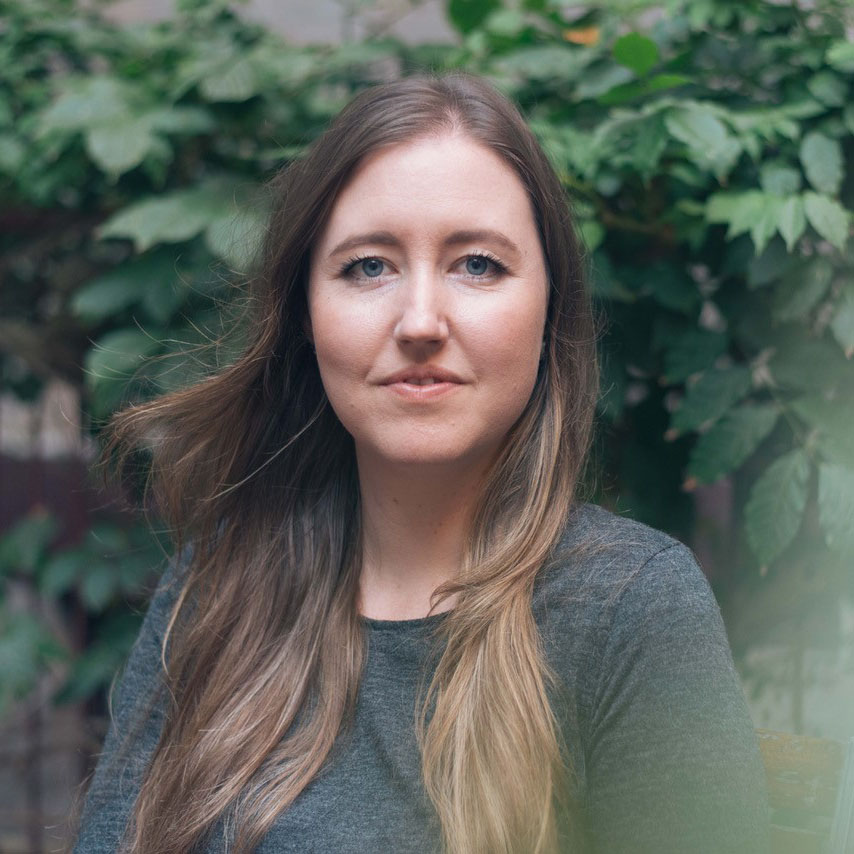
Charlotte McConaghy
Charlotte McConaghy is the author of the New York Times Bestseller Once There Were Wolves which won the Indie Book Award for Fiction 2022 and a Nautilus Gold Award. She also wrote the international bestseller Migrations, a TIME Magazine Best Book of the Year and the Amazon.com Best Fiction Book of the Year for 2020, which is being translated into over twenty languages and adapted for film. She has both a Graduate Degree in Screenwriting and a Masters Degree in Screen Arts, and lives in Sydney with her partner and son.

Sean Dooley
Sean Dooley is an Australian writer, conservationist and birdwatcher. His passion for birdwatching began as a child living in a bay side suburb of Melbourne. He vividly recalls getting out of bed as a small boy and following the coo of a spotted dove. Sean says everywhere he goes he is thinking about birds, and in family photos he can often be seen looking to the sky.
Sean is the National Public Affairs Manager at BirdLife Australia and is the founding editor of Australian Birdlife magazine, author of The Big Twitch and former holder of the Australian Big Year twitching record, when he held the national Australian birdwatching record for seeing the most birds (703 species) in one year. Sean Dooley is the Birdman.
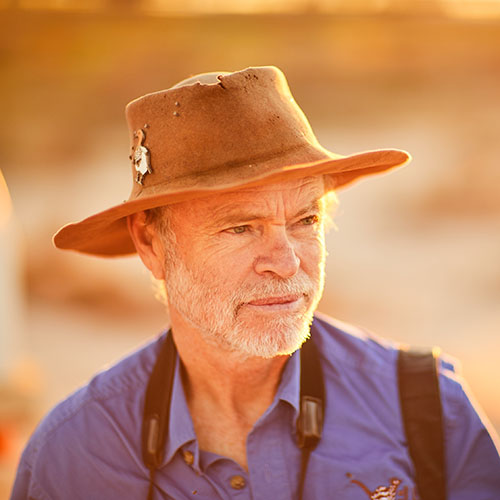
Richard Kingsford
Richard Kingsford is the Director of the Centre for Ecosystem Science at UNSW Sydney. He is a river ecologist and conservation biologist who has worked extensively across the wetlands and rivers of the Murray-Darling Basin and Lake Eyre Basin. Richard worked for the New South Wales Government Environment Agency from 1986–2004 and has also worked with numerous communities and local governments across this region. His research has influenced the policy and management of rivers in Australia, including through his involvement on state and federal advisory committees.
He also leads a reintroduction, or rewilding, project called Wild Deserts, in Sturt National Park, the Ramsar Wetlands project, as well as collaborating on the Platypus Conservation Initiative and Red-Listing of Ecosystems. He has a keen focus on creating effective and lasting conservation actions and policies through adaptive management approaches and engaging with communities.

Ann Jones | Chairperson
Dr Ann Jones is a journalist and presenter with an engaging and energetic approach to live events. She has the ability to observe the unusual and tell stories in sensitive and creative ways. She specialises in creating a strong connection with topics and can command a large audience with agility and flexibility, a skill she developed after years of daily live radio presentation.
Dr Ann Jones can be heard across Australia on ABCs RN, showcasing the best of nature, adventure and scientific research on her weekly program, Off Track as well as her latest podcast What The Duck! uncovering nature’s weirdness.
Ann Jones appears by arrangement with Claxton Speakers International.