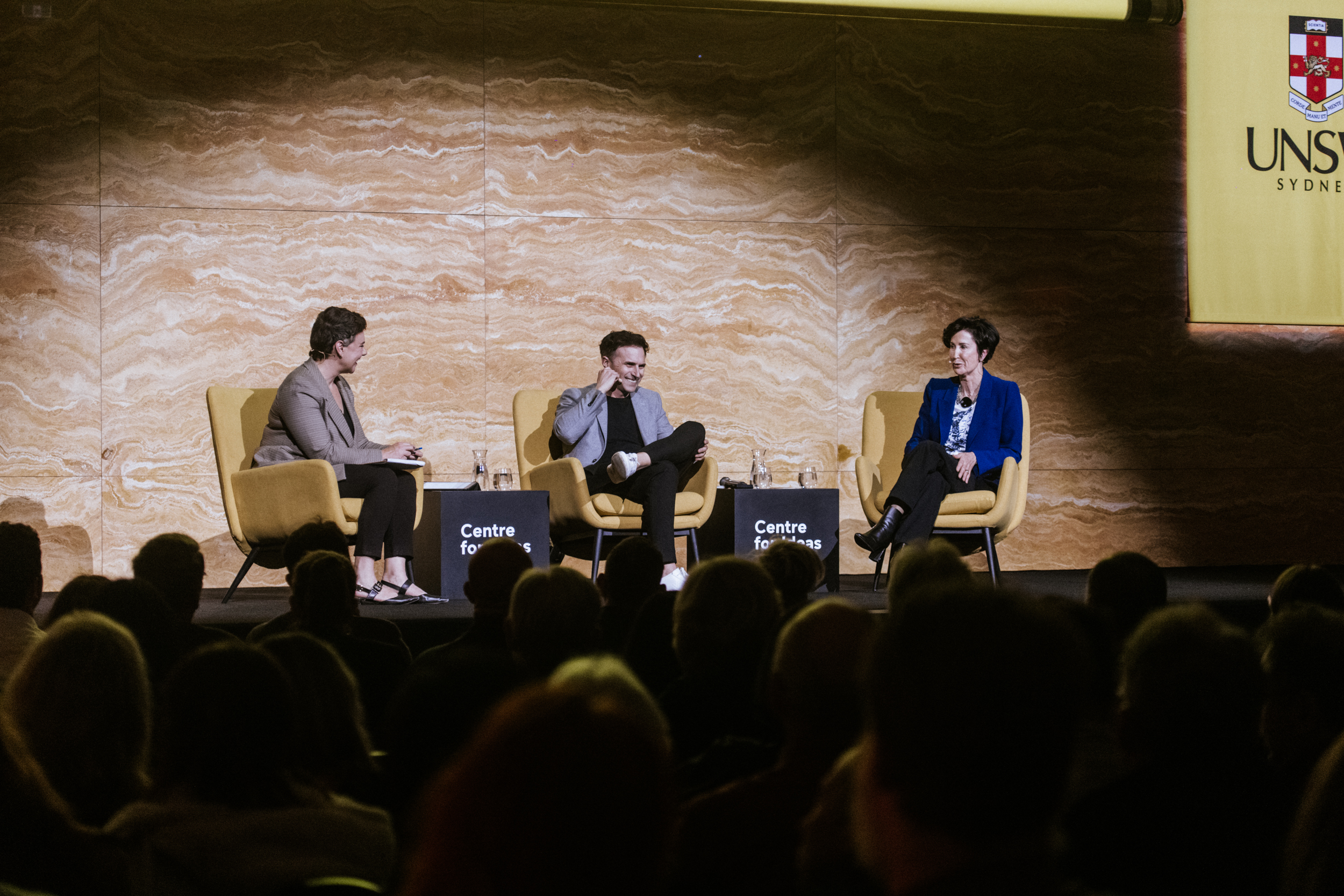
Beth Noveck on Democracy in an AI world
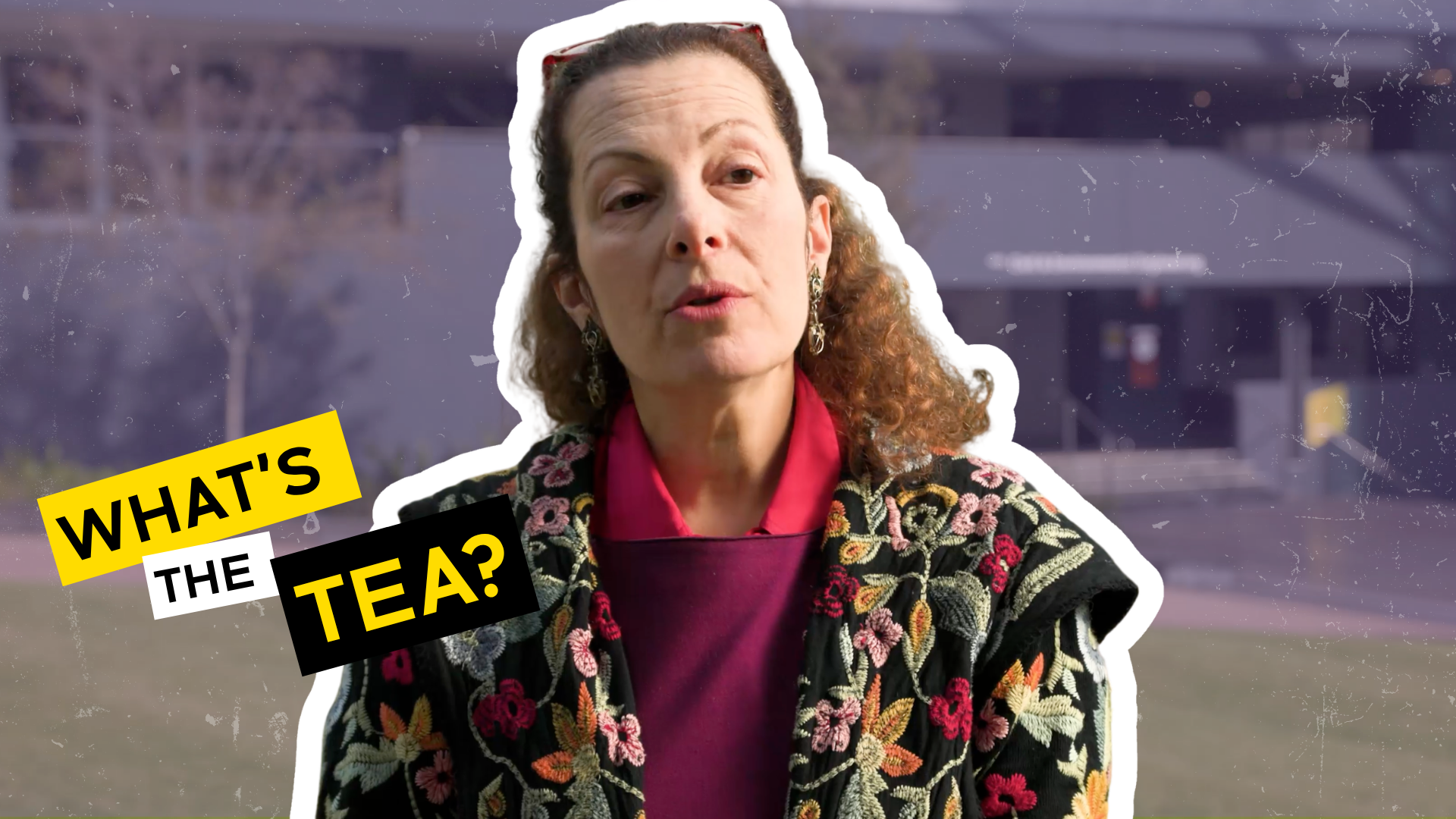
If we're going to use the energy, the water, the time, then we should be asking, what are we using AI for?
As AI becomes more deeply embedded in our ways of living and working, our search queries, and especially the content we consume online, have we given enough consideration to who and what controls AI’s output? From the pitfalls of misinformation and data privacy to the opportunities for improving public services, it’s not AI making the decisions. Whoever dictates how AI is used currently has incredible, exclusive power over a technology with little transparency or regulation.
Tune in to New Jersey’s first Chief AI Strategist and Northeastern University Professor Beth Noveck to understand how AI could be used to improve institutions if properly governed or threaten democracy if left unchecked.
Transcript
We can use it for good, or we can use it for evil, right?
We have nuclear, which we can use to power our electric grid, or we can use it to build a bomb. So I think we have to be very careful to recognize that AI is just a tool, and the question is how we use it.
Everybody is now very familiar with the crisis of disinformation and misinformation and deepfakes because there are bad actors who are using AI to essentially pollute our information environment with mistruths and falsehoods and propaganda.
We know that there is a challenge of using AI as a surveillance tool.
There are regimes like Iran who have been using these tools, for example, to spot women who are not wearing their hijab and then put them in prison.
But we have to be conscious of the fact that the AI is just a tool.
It is not AI that is firing workers, it is managers that fire workers, using AI as the excuse. So the big danger, in my view, is that we are absolving or eliding responsibility by somehow blaming the tech or blaming the tools instead of being much clearer about who the bad actors are in any given context.
We know it when we see it. When we talk about people who are trying to subvert free, fair, and frequent elections. We know what it means to essentially try to undermine the rule of law. And we know what it means, for example, to undermine the functioning of our institutions and use AI, for example, for surveillance, or for manipulation or for abuse.
But I think it's important that we turn the question on its head and really start to talk about what are the positive things that we should be doing?
What does it mean to strengthen our institutions?
What does it mean to strengthen community? So if we start with the question of what it means to have functioning, capable institutions.
Where people don't have to wait online or sit on hold to get a service to which they're entitled.
Think about the idea of using AI not to replace a government worker, so that when you answer the phone, you're getting some kind of chatbot that would degrade the experience.
When you call on the phone, the person answering the phone should have the best tools at their fingertips so they can very rapidly search for an answer to your question.
If we're going to use the energy, the water, the time, then we should be asking, what are we using AI for?